Writing
Decisions behind healthcare workflows, AI infrastructure, and data products. Start with the work, or explore the articles below.
Selected work
- Curie AI / Numo Health: Remote Respiratory Monitoring
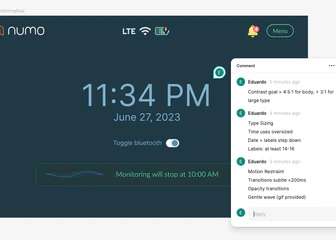
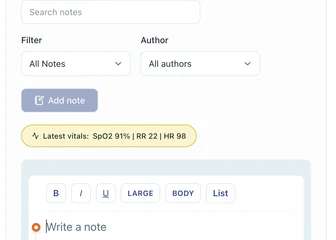
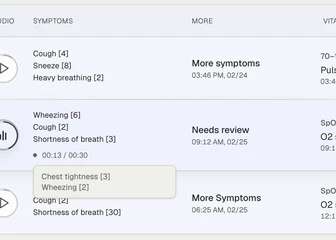
I led product design for a workflow connecting patient devices, overnight signals, and clinical review.
- PhysaFlow: Making Data-Center Capacity Understandable
I led positioning, brand, and product delivery, including a facility capacity calculator.
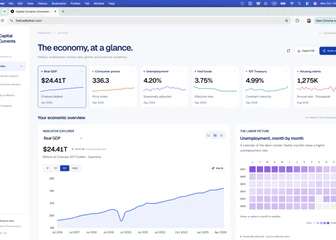
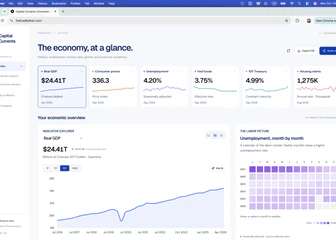
- Capital Currents: Exploring Economic Data
An interactive data product connecting economic indicators, market events, and product questions.
Articles
- Meet UX Agents Research Studio: a fresh perspective on your product
Nov 2026 • Turn “does this make sense?” into a focused conversation about what to improve next.
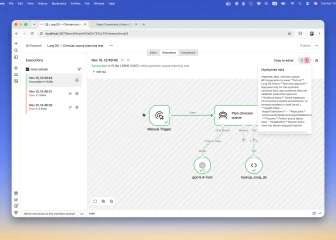
- From a Design System Catalog to an AI-Planned Clinician Queue
Nov 2026 • Testing whether an AI agent can use Lung DS to plan a clinician work queue, then handing the plan to Codex to build a synthetic prototype.
- What Changes When You Design Wellness Experiences for Five Platforms
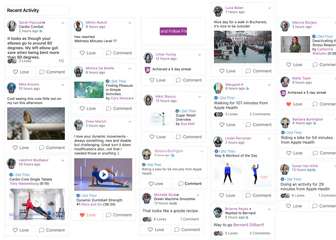
Nov 2026 • Keep the experience familiar. Make it fit the device. Lessons from designing Grokker across web, mobile, Apple Watch, Apple TV, and Roku.
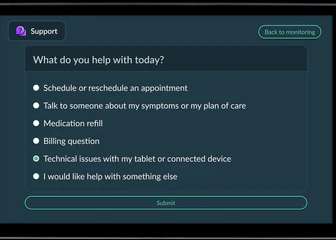
- What Device Failures Taught Me About Patient Adherence
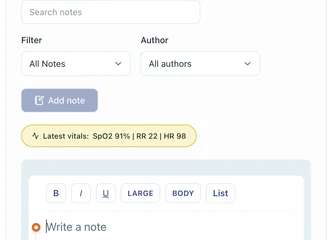
Nov 2026 • A missing reading can signal a broken connection, not a broken habit. Lessons from investigating device failures in remote patient monitoring.
- From Product Design to AI Product Management
Nov 2026 • How product design decisions, workflow clarity, and evidence-driven iteration led me toward AI product management.
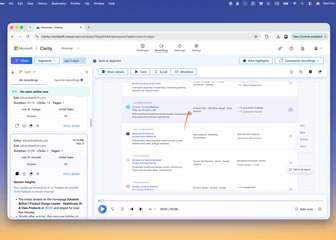
- Improving My Portfolio as a Product
Nov 2026 • Using visitor recordings and performance data to clarify my role, make case studies easier to assess, and reduce friction in my portfolio.
- Designing a data-center capacity calculator: turning infrastructure complexity into decisions
Nov 2026 • How the PhysaFlow capacity calculator turns power, cooling, and measured load into interpretable capacity estimates.
- When facility data is incomplete: designing useful partial answers
Nov 2026 • Designing useful partial answers in PhysaFlow while keeping missing inputs, warnings, and excluded constraints visible.
- From megawatts to money: choosing the right capacity valuation
Nov 2026 • Separating hosting revenue, recovery assumptions, and GPU owner cost in PhysaFlow capacity scenarios.
- Making assumptions visible: designing trust into a calculator
Nov 2026 • Making model assumptions, data coverage, and unavailable benchmarks readable in the PhysaFlow calculator.
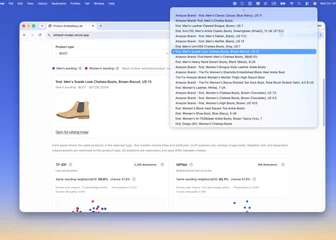
- Understanding Bias Across Text and Image Embeddings
Oct 2026 • An interactive research prototype comparing how text and image models organize products, and whether gendered patterns persist across embedding spaces.
- Cartographic Grids
Oct 2026 • Five cartographic explorations of street grids, urban geometry, and land patterns in Belo Horizonte, Chan Chan, Palmas, Brasília, and Antofagasta.
- Reading Rio Through Its Watersheds
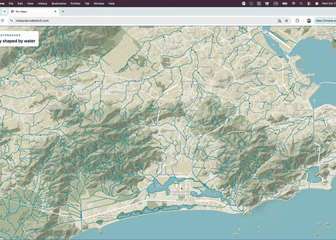
Oct 2026 • A map-based study of Rio de Janeiro’s watersheds and their relationship to the city’s existing infrastructure, from mountain streams to urban drainage and sewer networks.
- Landscapes in Relief
Oct 2026 • Interactive maps exploring the relief and landscape you feel when walking through a place, from Andean valleys to Rio’s mountain neighborhoods.
- Adding a Regression Model to Money Through Time
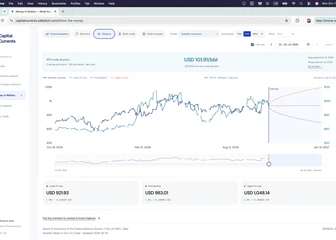
Oct 2026 • Testing exchange-rate signals in Capital Currents—and measuring them against a simple unchanged-rate benchmark.
- Healthcare Product Design Starts with the Next Decision
Oct 2026 • Lessons from Curie AI and Numo Health on clinical UX, patient monitoring, and design systems that make the next decision clearer.
- Data Visualization Is a Product Design Decision
Oct 2026 • How Capital Currents, Garmin analysis, and Berkeley MIDS research connect data science with the design of useful interactive products.
- Product Leadership Between Design, Engineering, and Data
Oct 2026 • From Rio de Janeiro to San Francisco and Berkeley MIDS: connecting product strategy, design, engineering, and data science.
- Capital Currents: Making Economic Data Useful for Product Teams
Oct 2026 • Connecting economic indicators, product questions, and global money movement in an interactive workspace for fintech teams.
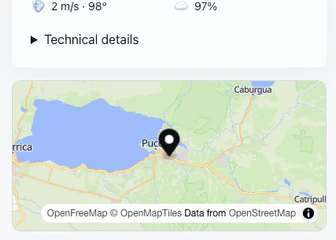
- Designing Tiempo: Weather Through the Lens of Elevation
Oct 2026 • Exploring how elevation changes the questions we ask of a weather interface, and how Tiempo brings that context into local weather.
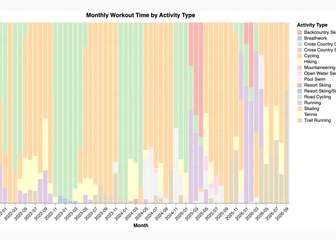
- Analyzing My Garmin Data
Oct 2026 • Applying MIDS coursework with Python, Jupyter, and Altair, and reading charts through Tamara Munzner's marks, channels, and visual idioms.
- When Photography Becomes Data
Oct 2026 • Connecting stories from Brazil's sertão with photographs, geography, and public environmental data.
- Building BikeReg: A Web3 App for Cycling Registration
March 2026 • how to build a decentralized application for bike registration on the Ethereum blockchain.
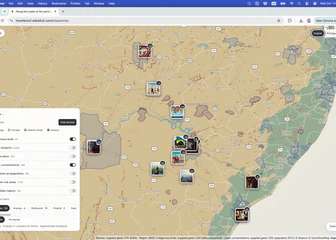
- Mapping Andes Backcountry Ski
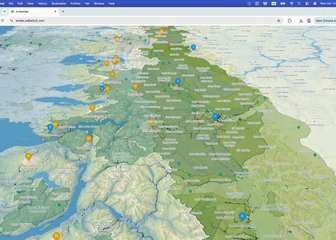
Dec 2025 • what would a map look like if it were designed specifically for mountain travel in the Andes?
- Building BikeZap: A Zapier-Powered Cycling MicroSaaS
Nov 2025 • How a one-page app uses Zapier, Supabase, and Next.js to curate cycling stories in real time.
- From Idea to Launch in 3 Days: Building TrailMatch
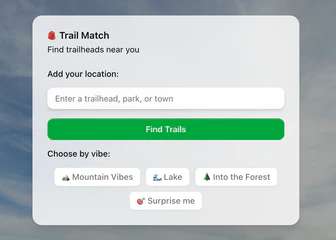
Mar 2026 • How TrailMatch came together in a single weekend using Next.js, Mapbox, and vibe-based trail discovery.
- The New Skill Stack for Product Designers in the AI Era
Apr 2025 • systems thinking, data literacy, and cross-functional fluency.
- Designing for Behavior Change: What Wellness Apps Can Learn from Clinical UX
Jan 2025 • How to design for long-term engagement and measurable outcomes.
- The Future of Healthtech Design: Where AI, Design Systems, and Human Empathy Meet
Jan 2025 • Exploring emerging trends in healthtech design, from AI-driven personalization to the growing importance of empathy in digital health solutions.
- Designing for Clinician Workflows: What I Learned from Building Real Healthcare Tools
Oct 2024 • Real-world lessons from designing tools that fit naturally into clinical routines, rather than disrupt them
- From Insights to Interfaces: The Product Designer’s Role in AI
Jun 2024 • How designers can translate complex AI logic into simple, usable experiences without overwhelming users.
- Building Design Systems for Regulated Industries
Feb 2024 • How to create scalable, compliant design systems in healthcare or other regulated industries.
- Designing for Outcomes: How UX Impacts Patient Adherence
Feb 2024 • A case study on how design decisions increased adherence and engagement by 90% in Curie AI’s patient monitoring tools.
- Humanizing Data: The Designer’s Role in Healthcare Automation
Dec 2023 • Discuss the balance between automation efficiency and empathy when designing for clinicians and patients.
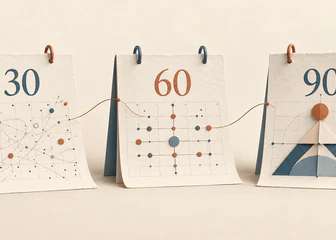
- The 90-Day Framework for Designing in Complex Systems
Aug 2023 • Learn how to enter complex environments, align cross-functional teams, and deliver design impact in your first 90 days.
- Building Clinical Trust
Feb 2023 • Designing confidence in AI-assisted care workflows.
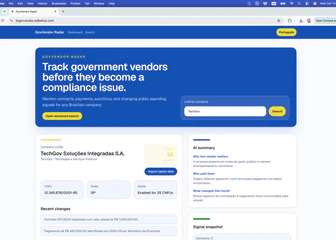
- Designing a Vendor Risk Monitor for Brazilian Public Spending
Sept 2026 • A product prototype for searching Brazilian government vendors, combining contracts, payments, sanctions, source coverage, and explainable risk signals.
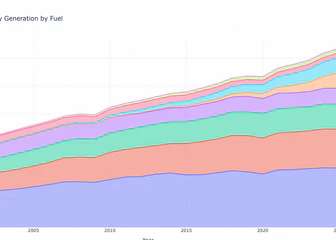
- Data Center Growth and Renewable Energy
Oct 2026 • Exploring the intersection of data center expansion and renewable energy adoption.