
Humanizing Data: The Designer’s Role in Healthcare Automation
Automation promises to make healthcare faster and smarter, but speed alone isn’t progress. As automation takes over repetitive clinical tasks—triage, reporting, and monitoring—designers face a deeper challenge: how do we keep human empathy at the center of data-driven systems?
When Efficiency Becomes a Blind Spot
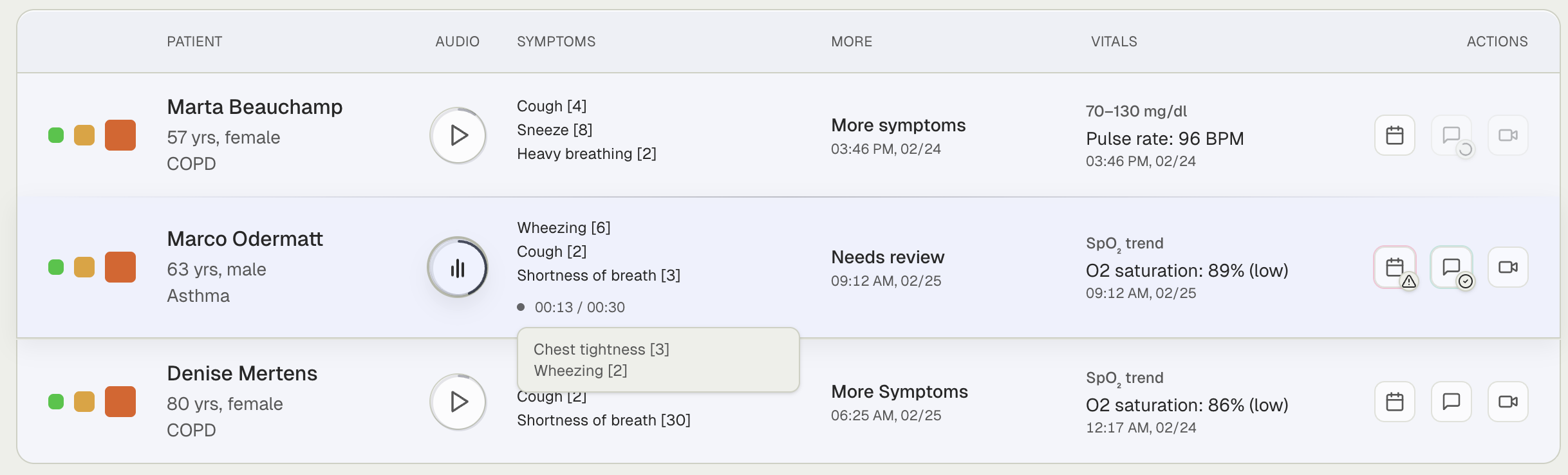
In one of our early iterations at Curie AI, we automated clinician alerts to flag patients with deteriorating respiratory patterns. The system worked flawlessly in detecting issues—but our initial interface felt cold and transactional. It surfaced alerts without context or human nuance, leaving clinicians overwhelmed and emotionally detached.
That moment reminded me that automation can amplify both clarity and confusion. The key is to design systems that simplify complexity without stripping away humanity.
The overnight monitoring case study shows how respiratory data can become a more legible clinical workflow, with trends and recent changes available alongside risk indicators.
Balancing Empathy and Automation
- Contextual storytelling: Instead of showing “High Risk,” we visualized each alert in the context of the patient’s recent recovery trends, giving clinicians a story—not just a signal.
- Adaptive tone: Microcopy shifted from technical to supportive, reinforcing collaboration between AI and human care: “Review recommended—possible change in breathing pattern.”
- Empathetic defaults: We prioritized reminders that encouraged human follow-up—call the patient, review notes—over reactive automation.
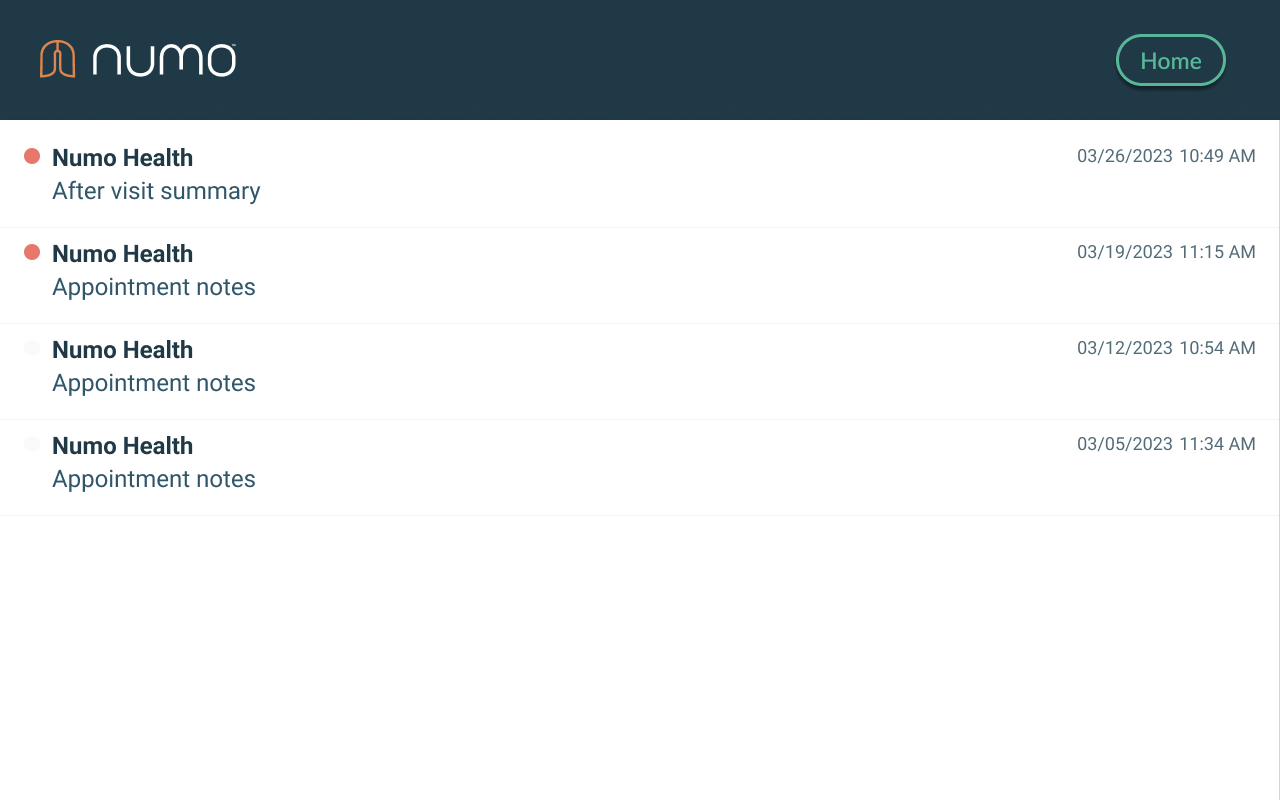
In the patient communication project, messaging connects the information in a clinical workflow with the human conversation that follows.
Designing Calm Technology
Our goal wasn’t just usability—it was emotional ergonomics. Clinicians operate in high-stress environments, and their tools should support cognitive flow rather than fragment it. Visual hierarchy, spacing, and color rhythm became just as important as algorithmic accuracy.
As one doctor put it during testing: “I don’t want another system that thinks for me. I want one that thinks with me.” That became our north star.
Explore LungDS for reusable healthcare interface patterns that bring consistency to hierarchy, controls, and feedback across these experiences.
The Designer’s Responsibility
Healthcare automation isn’t just a technical challenge—it’s a moral one. Designers mediate the relationship between human care and machine intelligence. The interfaces we create decide not only what people see, but how they feel about it.
Humanizing data means designing for dignity, not just efficiency. It’s the art of transforming information into understanding, and understanding into care.