Scaling Remote Monitoring Beyond the Clinic
Summary
I designed this overnight monitoring experience to help care teams catch deterioration earlier, review signals faster, and turn passive nighttime data into something they could actually act on.
The work sat at the intersection of clinical decision-making, patient adherence, and reimbursement constraints, so the product had to feel low-friction for patients and trustworthy for clinicians at the same time.
Overview
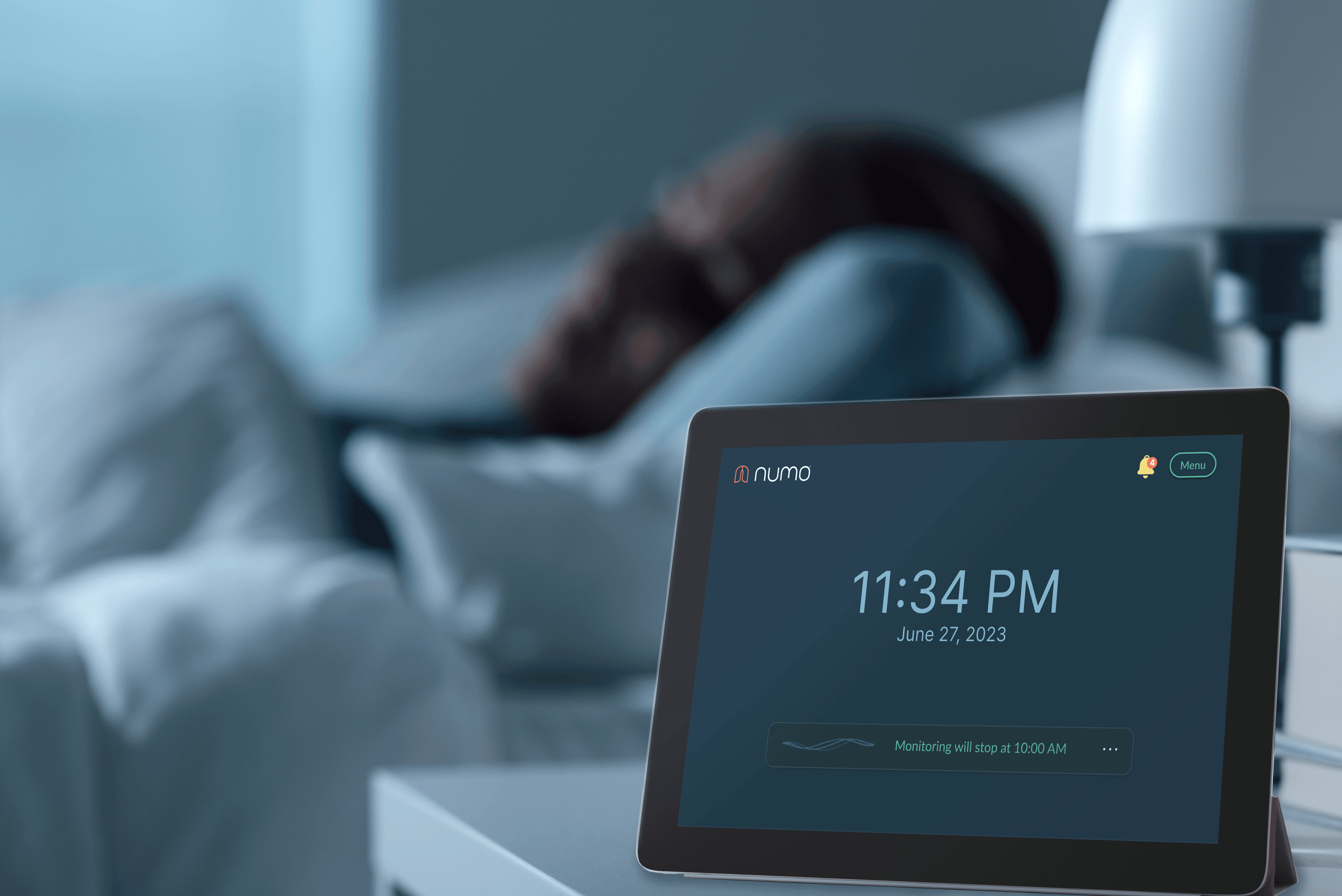
Respiratory patients were showing signs of deterioration overnight, but clinicians did not have an easy way to review that data and know what actually needed attention.
At Numo Health, I led the end-to-end design of an overnight monitoring system shaped by clinical, technical, and reimbursement realities. My role was to align patients, clinicians, operations, and AI research around a shared definition of “actionable” care.
Responsibilities
- Reframed the work around clinically actionable overnight signals, giving the team a clearer definition of what the product needed to surface.
- Defined the information architecture and end-to-end patient and clinician workflows across the tablet and dashboard experience.
- Created the core interaction patterns and visual system that made the experience calm, legible, and low-burden in low-light use.
- Aligned clinical, AI, operations, and engineering partners around product decisions that could scale without losing trust.
One view of the core product outcomes tied to engagement, adherence, and operational efficiency.
System
This was a systems problem, not just a UI problem. I had to design for noisy data, limited clinician review time, operational scale, and reimbursement constraints all at once.
Patients needed the experience to stay almost invisible overnight, while clinicians needed something they could scan quickly and trust enough to act on.

Patient
Passive overnight signals
Bedside monitoring and sleep-period capture
Context
Patient context
Daily check-ins and symptom confirmation
Diagnostics
Device telemetry
Bluetooth health, session quality, data integrity
Operations
Operational workflows
RPM review, reimbursement, and escalation logic
Framing
The real design question became what clinicians could trust and act on without creating more burden for patients.
I chose not to rely on wearables, manual logs, or raw signal dumps. Those paths added friction, lowered adherence, or pushed too much interpretation back onto clinicians.
Instead, I focused on passive capture, lightweight daily confirmation, and trend-based summaries that made the signal easier to understand at a glance.
Design Decisions
Once I aligned on what actionable meant, the work became a set of explicit tradeoffs: keep the patient experience nearly invisible at night, make signals interpretable in the morning, and deliver clinician ready decision support without creating operational drag for RPM teams.
I simplified the patient side first: passive monitoring handled the overnight capture, and a lightweight check-in added just enough context to make the signal trustworthy the next day.
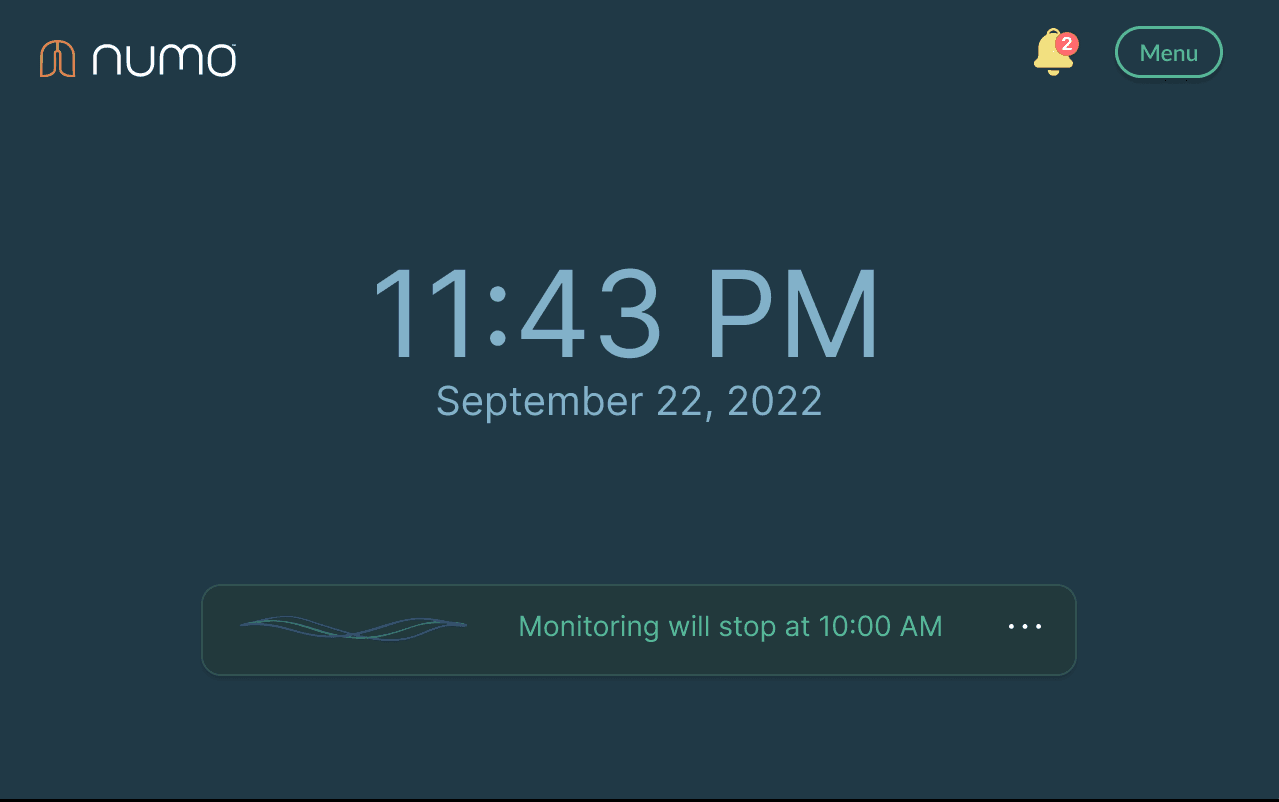
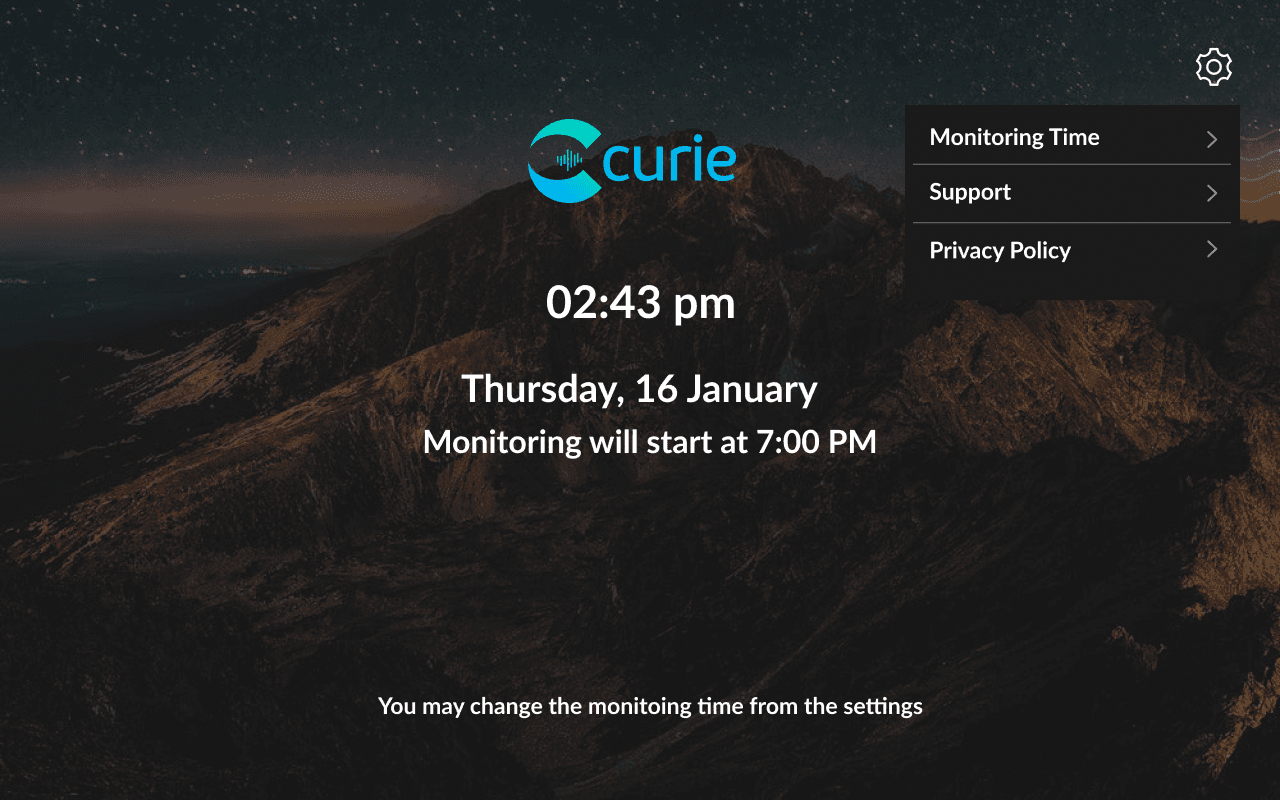
Low-light UI, clearer states, and modular components that connected patient capture to clinician action.

A single daily check-in anchored interpretation without increasing burden.
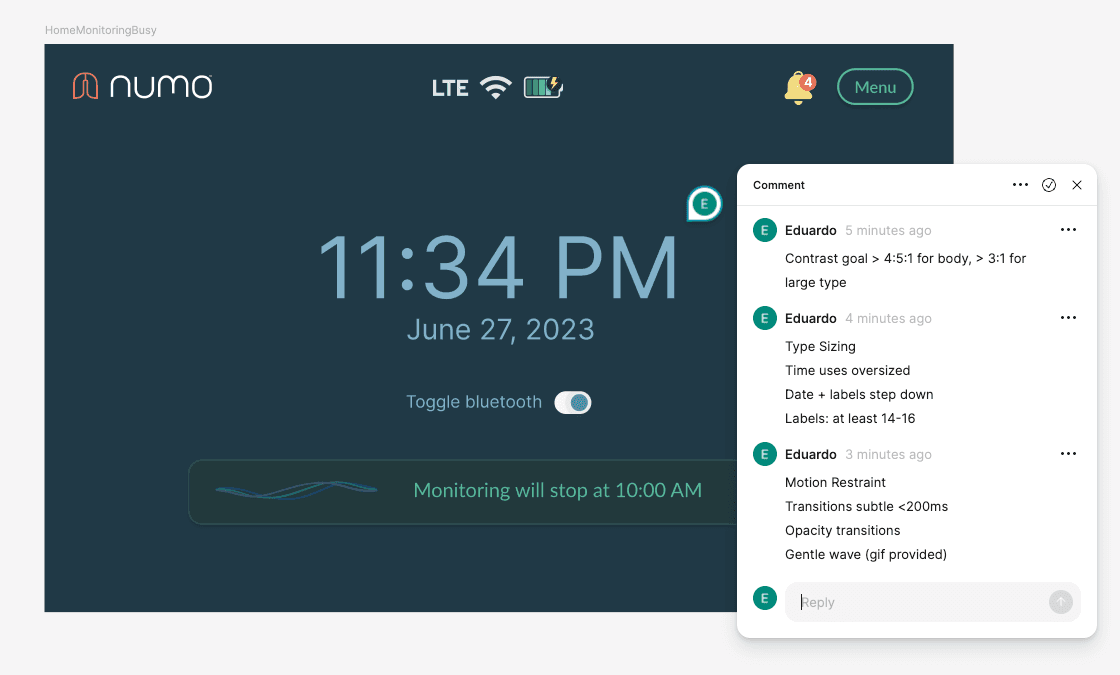
Design guardrails captured contrast, hierarchy, focus states, and motion restraint for low-light use.

Seamless overnight monitoring and real-time patient statistics.
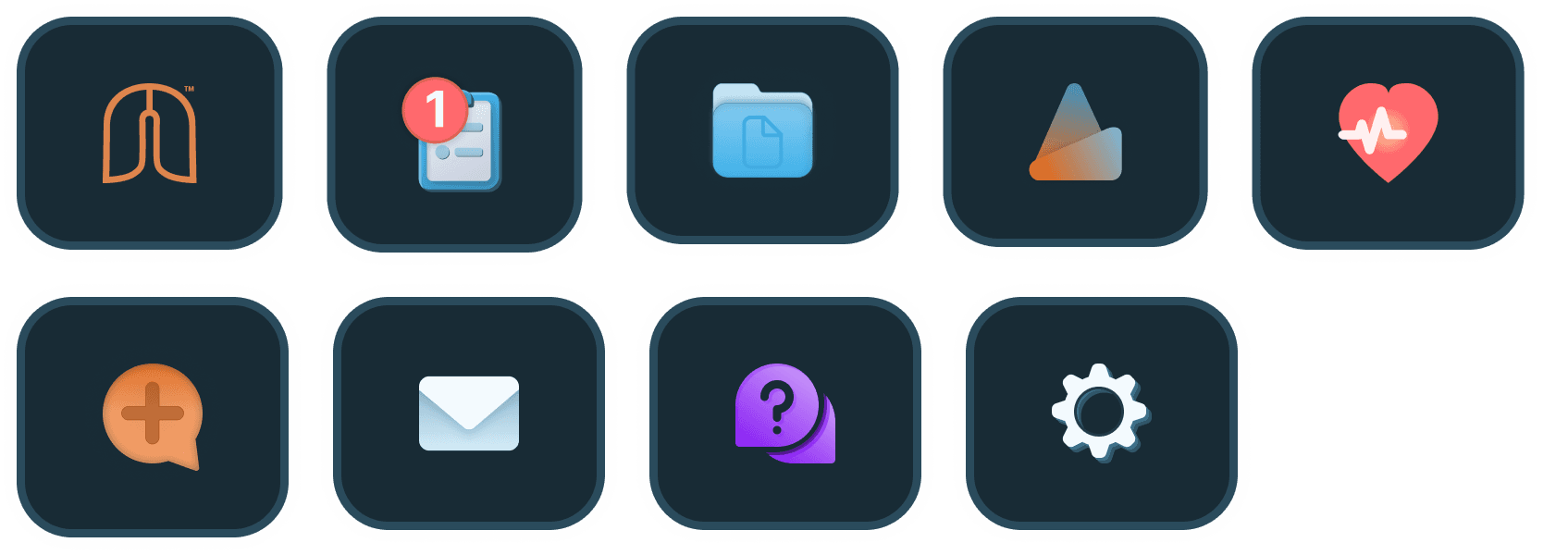
Simplified navigation, familiar iconography, and clear states kept the tablet experience low-effort.
View interactive prototype →
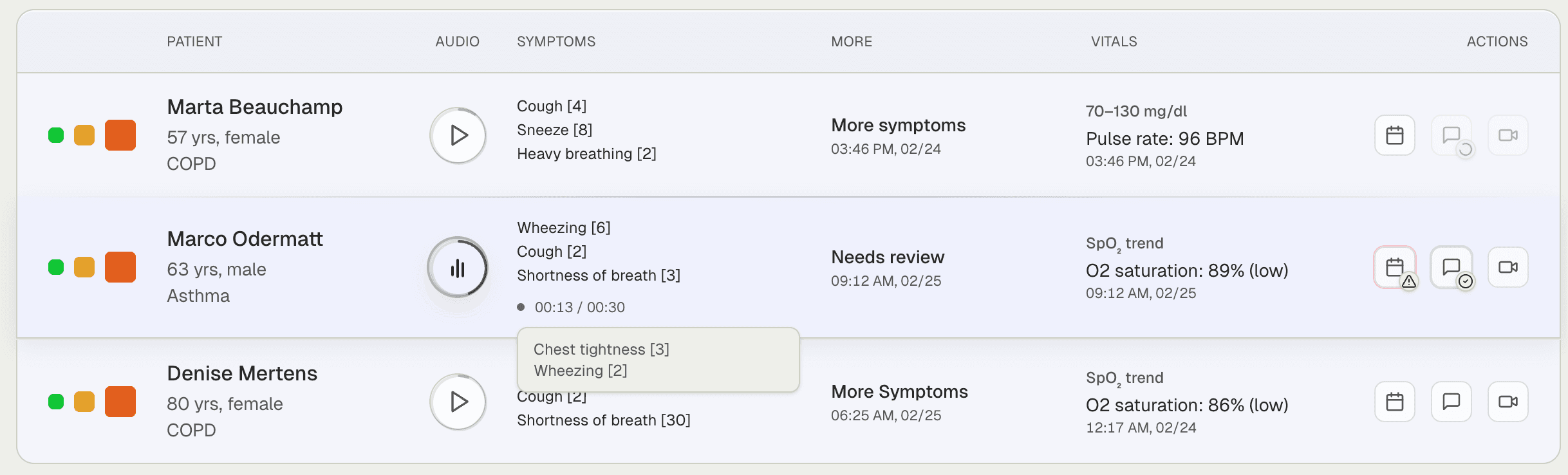
Each patient row surfaced trend direction, recent changes, and risk indicators first so clinicians could decide whether to monitor, intervene, or escalate in seconds.
View interactive prototype →
Collaboration
I worked cross-functionally with clinical experts, AI researchers, and engineering. Using prototypes and data reviews to align on what counted as “clinically meaningful” insight. When priorities conflicted, I reframed decisions around risk: patient safety, clinician trust, and regulatory exposure.
Outcomes
- 90% nightly adherence established the experience as a sustainable part of patients' bedtime routines.
- 50% increase in engagement improved continuity between overnight monitoring and next-day care.
- Faster clinical intervention helped care teams identify risk earlier and act with more confidence.
- Scaled from pilot to 100+ patients in 3 months demonstrating that the workflow could support real operational growth.