
Meet UX Agents Research Studio: a fresh perspective on your product
Turn “does this make sense?” into a focused conversation about what to improve next.
You have spent weeks building a feature. You know what every label means, where every control lives, and why the workflow makes sense.
That familiarity makes it harder to see your product with fresh eyes.
Would someone new understand the page? Would an experienced customer want more detail? Is your interface explaining the product—or asking people to figure it out for themselves?
UX Agents Research Studio gives your team a practical starting point for those questions: an AI-assisted qualitative review of a working product, organized around tasks and simulated personas.
You bring a product and the questions you want to explore. The study brings structure, different perspectives, and a record you can inspect.
One product. Several perspectives.
A first-time visitor and an experienced practitioner can look at the same screen and need very different things.
UX Agents makes those differences part of the review. Each simulated persona has a background, a level of familiarity, and a goal. A session might include a newcomer trying to understand the basics, an analyst looking for clear explanations, and a specialist examining the details.
For each task, the session asks four straightforward questions:
- How would you respond to the task?
- What is your first impression?
- What feels confusing?
- What would you suggest improving?
The result is a set of qualitative perspectives your team can discuss alongside the interface itself.
How the technology works
Under the hood, UX Agents combines browser automation with a language model.
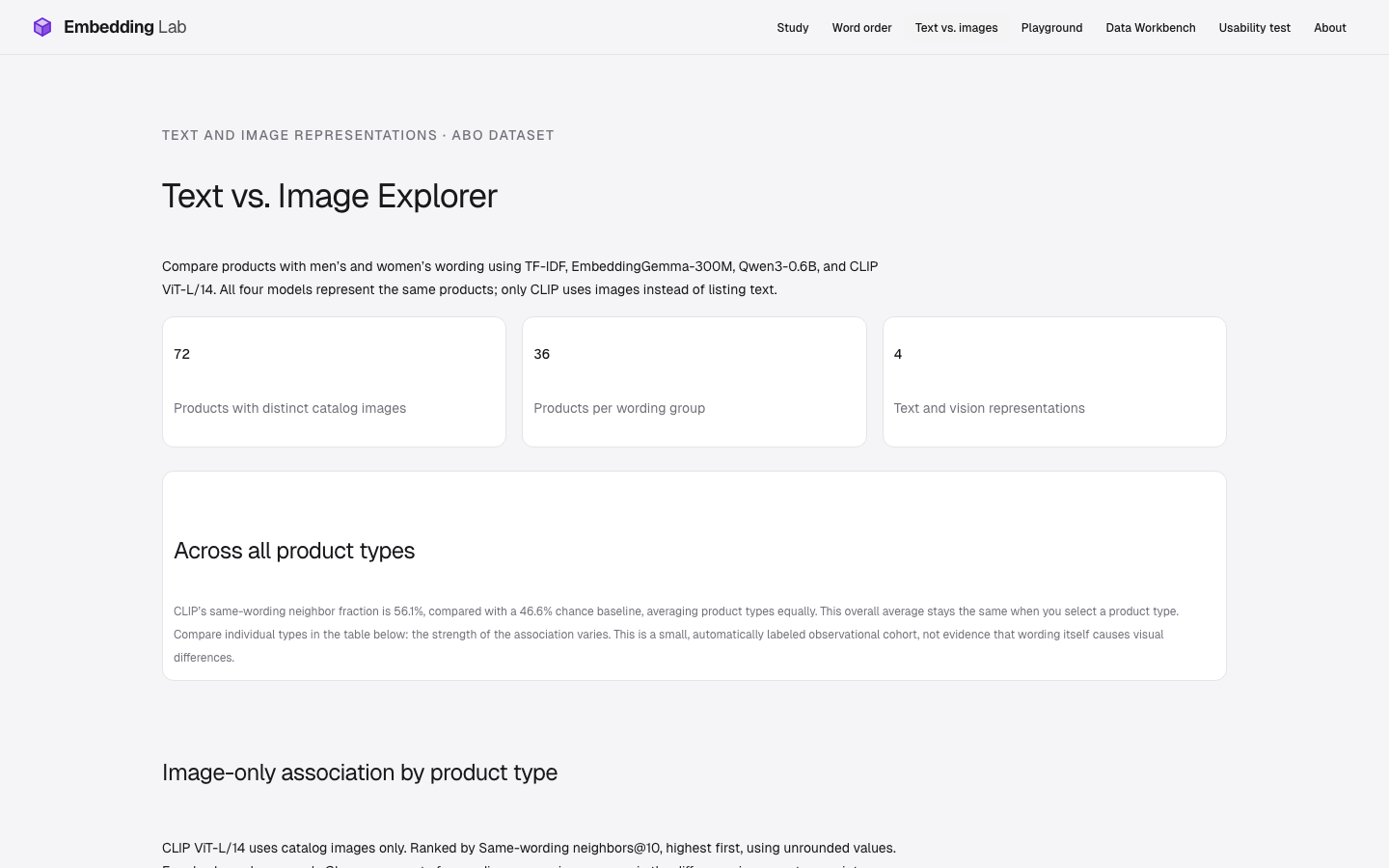
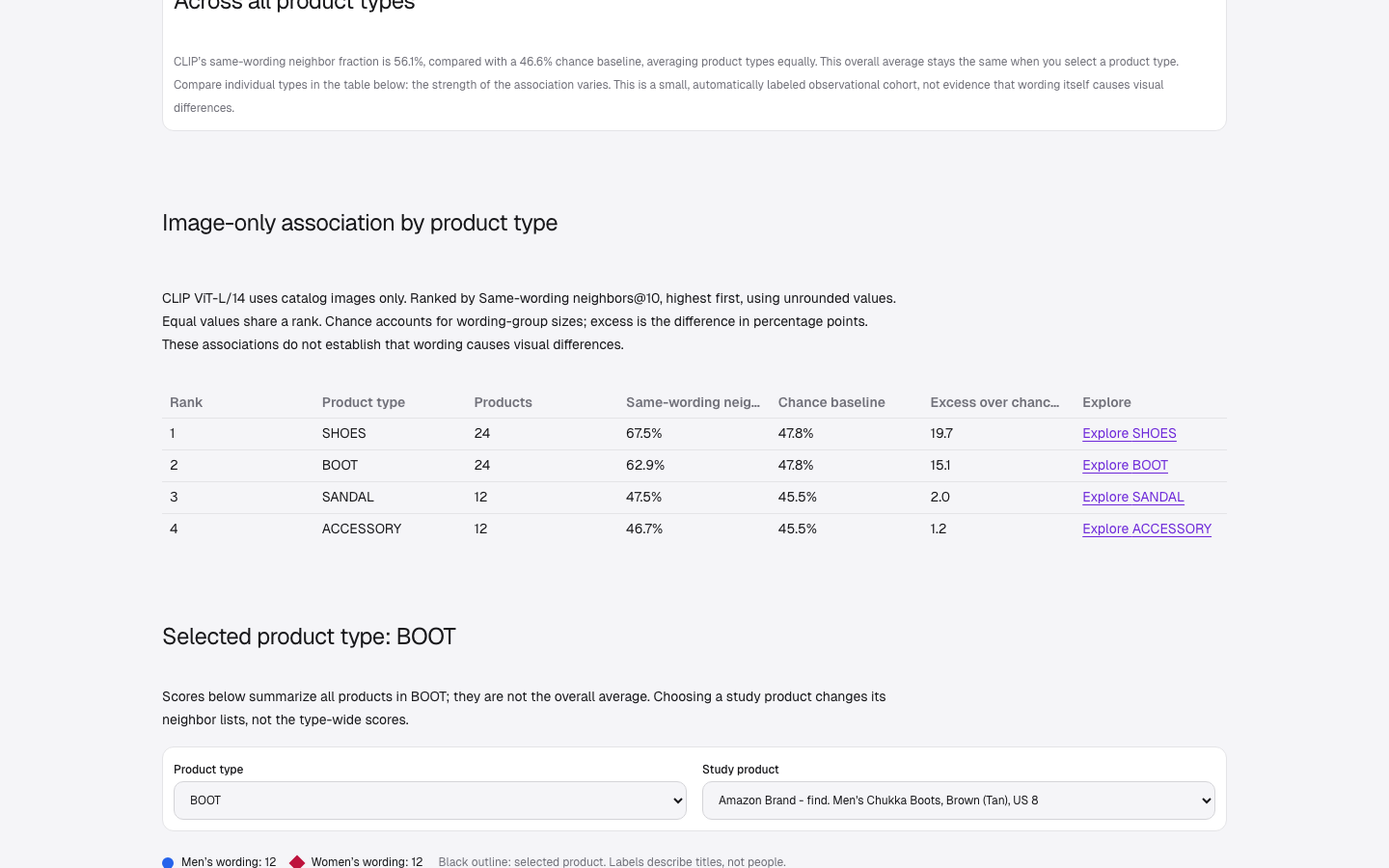
The browser opens the working website and follows a defined walkthrough. It can select an item, expand a comparison, or reveal the information needed for a task. Along the way, it captures screenshots and extracts relevant page content.
The language model receives that evidence together with the persona and the task. It then generates a short, structured reflection.
Keeping the walkthrough separate from the reflection makes the session more focused. The browser handles the interaction; the model concentrates on interpreting the information from the assigned perspective. The report clearly identifies which actions came from the facilitator.
The model also receives evidence specific to the question. A ranking task gets the comparison values. A product-comparison task gets the actual lists being compared. This helps keep unrelated information from distracting the review.
The current setup uses Ollama to run a language model locally. That means the model inference can happen on the machine running the session, without requiring a hosted AI service. The browser still connects to the website being reviewed.
You get more than a paragraph of AI advice
A useful review needs context you can return to.
A UX Agents study produces a summary of persona responses, individual task reports, screenshots, and a browser replay. You can read the feedback, inspect what the session exposed, and bring specific examples into a design conversation.
That creates a concrete starting point for decisions such as:
- Which terms need a clearer explanation?
- Where should the interface provide more context?
- Which assumptions deserve a conversation with customers?
- What should the next round of user research investigate?
An early perspective, with a clear role
These personas are simulated. Their responses are material for exploration, not customer testimony or a measurement of human task success.
A model can misunderstand a label, overlook context, or make an unsupported interpretation. Feedback therefore needs review against the captured evidence. A completed session means the walkthrough exposed the required information and a response was collected; it does not prove that a customer could complete the task independently.
Used with that understanding, the study gives teams another way to question their assumptions and prepare more focused research with real people.
Bring your next product question
UX Agents Research Studio is a paid, scoped review for teams that want an outside perspective on a specific product flow.
Start with a working page, a feature, or a workflow you want to examine. We define the tasks and persona perspectives, run the facilitated session, and deliver the feedback with its supporting record.
You leave with something tangible to discuss: what the session surfaced, what needs checking, and which questions to take into your next product decision.
Book a UX Agents study. Bring the flow your team knows too well—and give it a fresh set of perspectives.