Designing a Human-in-the-Loop RPM Workflow
Summary
I designed this workflow to turn passive overnight signals into clinician-ready decisions. The challenge was not just collecting data. It was deciding what the care team could trust, how much interpretation the system should do, and how to make the whole process scalable under clinical and reimbursement constraints.
Overview
Overnight deterioration was driving avoidable escalation, but clinicians lacked a reliable way to review passive signals quickly and know what required attention.
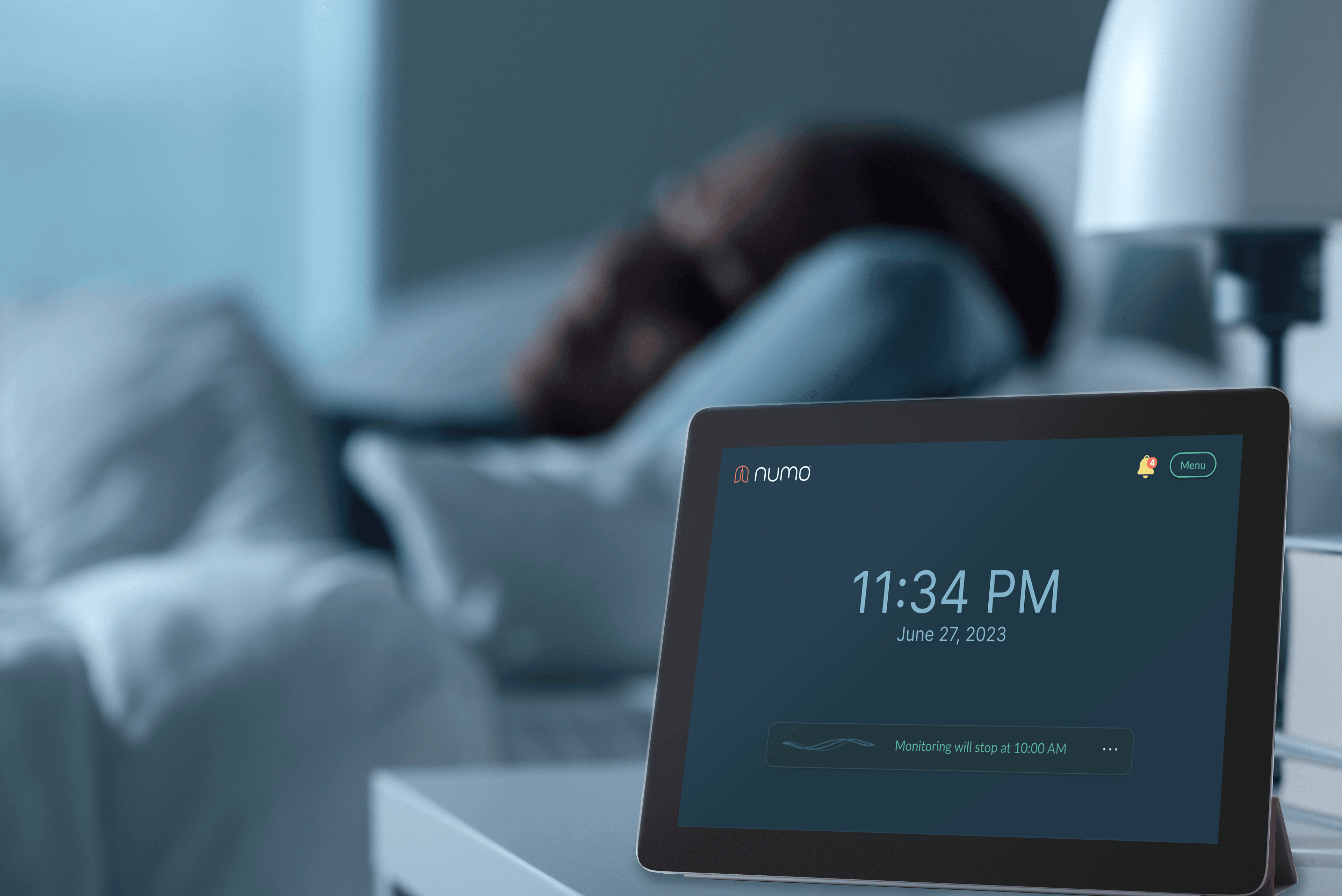
At Numo Health, I led the end-to-end design of an overnight monitoring system spanning patient capture, signal interpretation, clinician triage, and downstream operational workflows.
My role was to translate what counted as actionable, align clinical experts, operations, AI research, and engineering around that definition, and translate that into an experience patients could live with and clinicians could trust.
System Loop
A closed RPM loop from passive patient capture to clinician action and back to the patient.
Patient
Sleep + symptoms
Tablet
Passive capture
Database
Structured storage
AI Signals
Risk interpretation
Coach Dashboard
Review + triage
Clinical Intervention
Action + follow-up
System Context
The experience had to work across passive bedside capture, noisy physiological inputs, patient-reported context, device quality signals, clinician review time, and RPM operational constraints.

Patient
Passive overnight signals
Bedside monitoring and sleep-period capture
Context
Patient context
Daily check-ins and symptom confirmation
Diagnostics
Device telemetry
Bluetooth health, session quality, data integrity
Operations
Operational workflows
RPM review, reimbursement, and escalation logic
Workflow
I framed the work as a full monitoring pipeline rather than a set of disconnected interfaces.
Capture
Collect passive overnight signals with near-zero patient effort.
Validate
Check session quality, device telemetry, and data completeness.
Interpret
Combine trends, symptom context, and model logic into meaningful signals.
Triage
Surface clinician-ready summaries for fast review and action.
Act
Support follow-up, intervention, escalation, and downstream RPM workflows.
System-level thinking
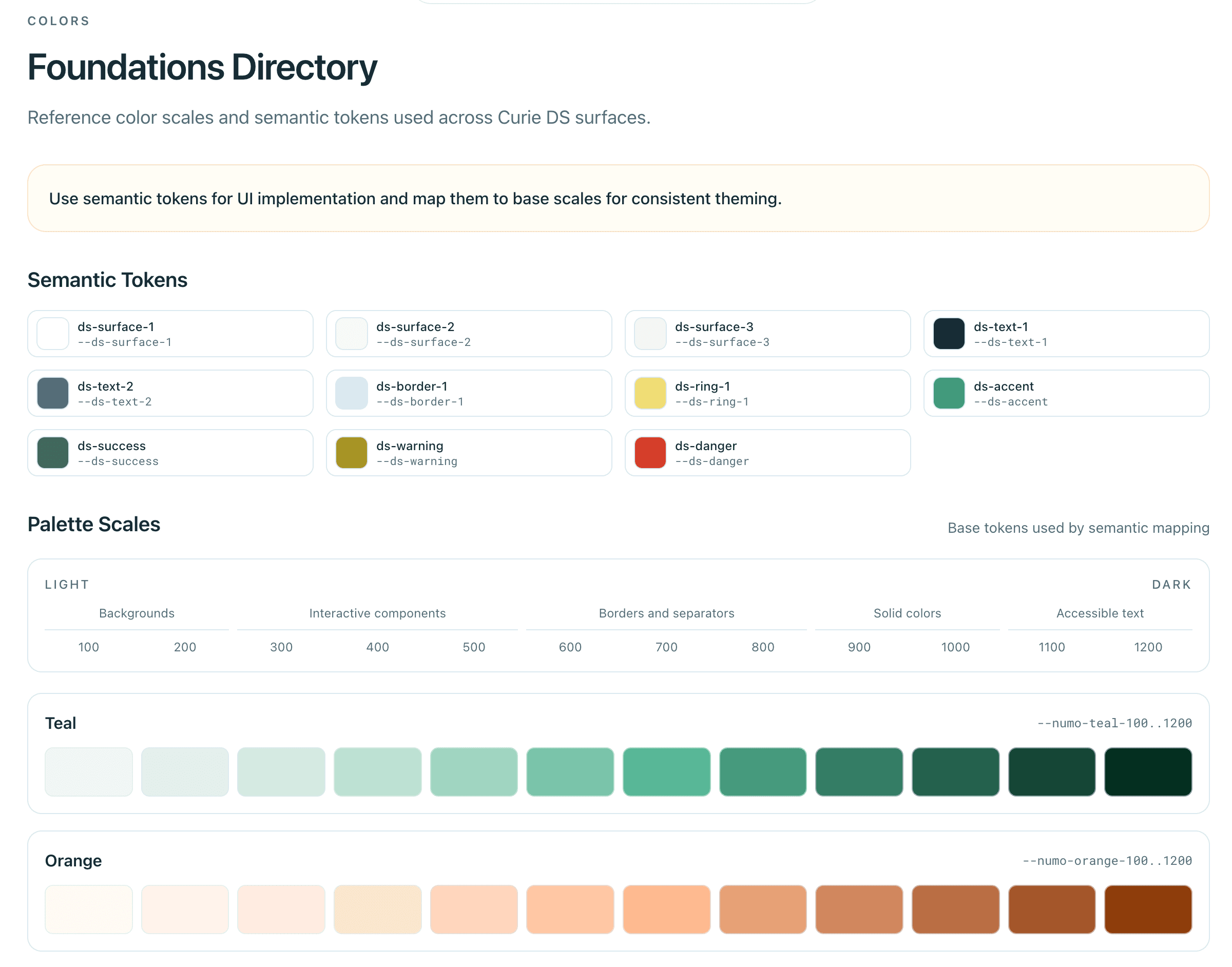
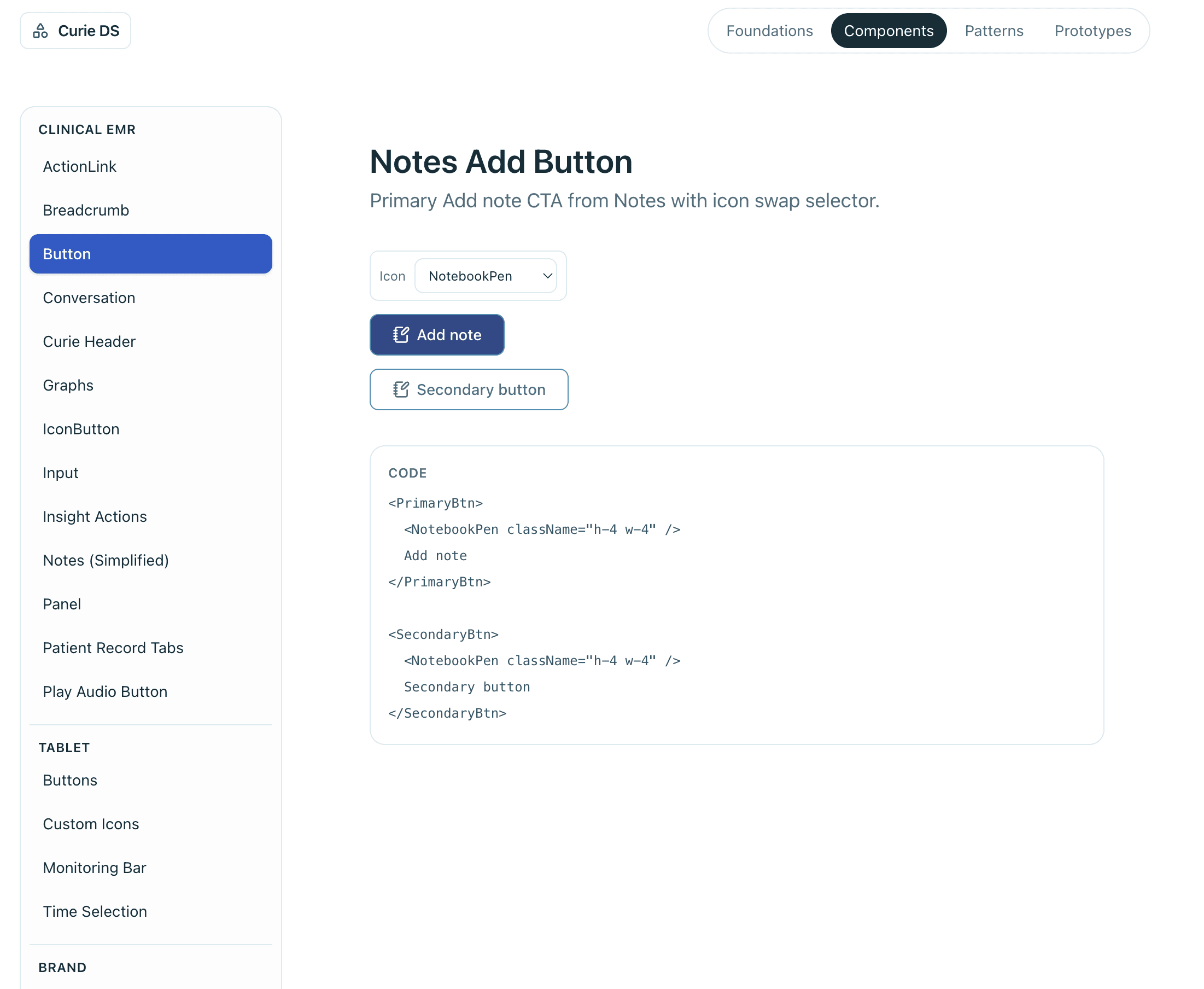
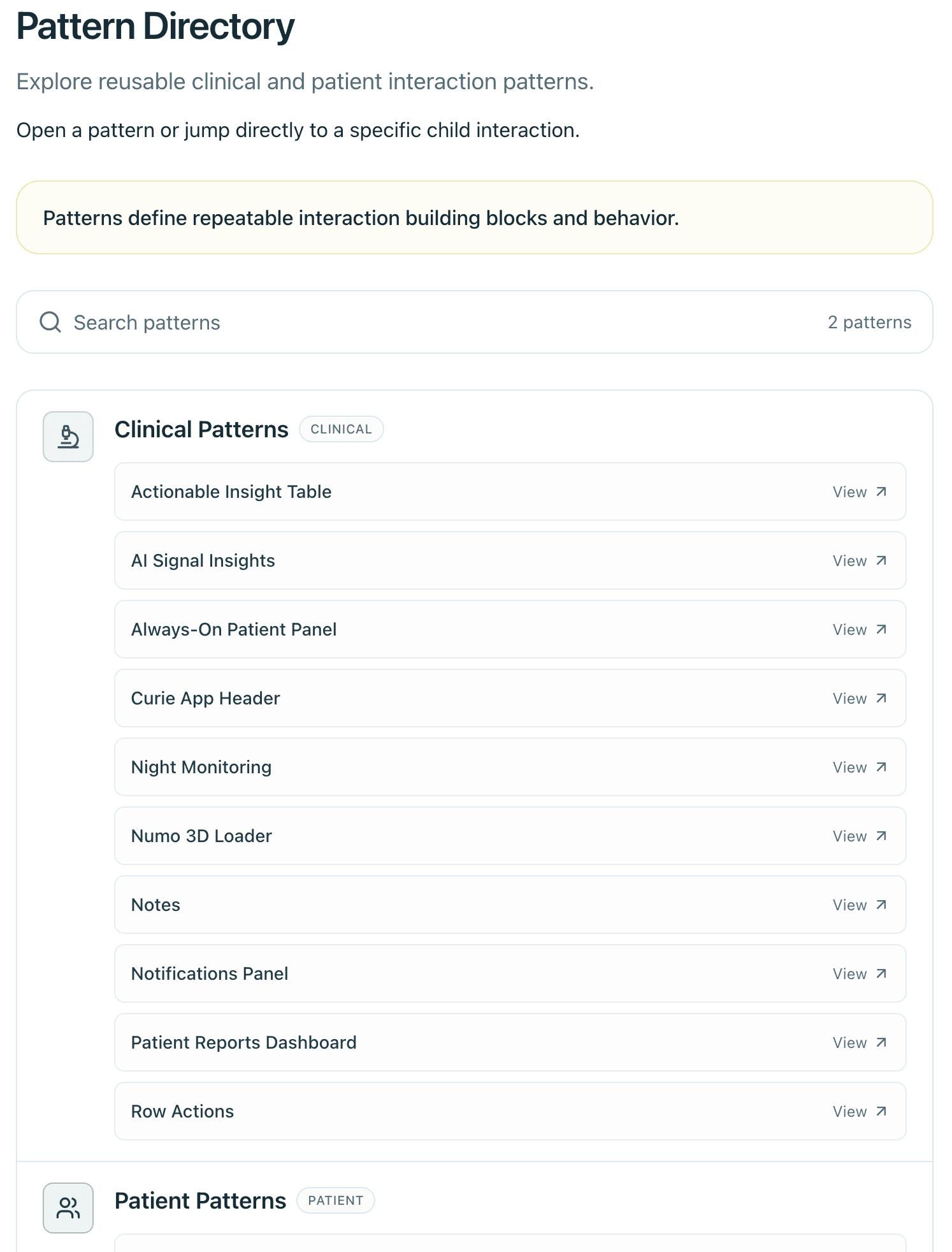
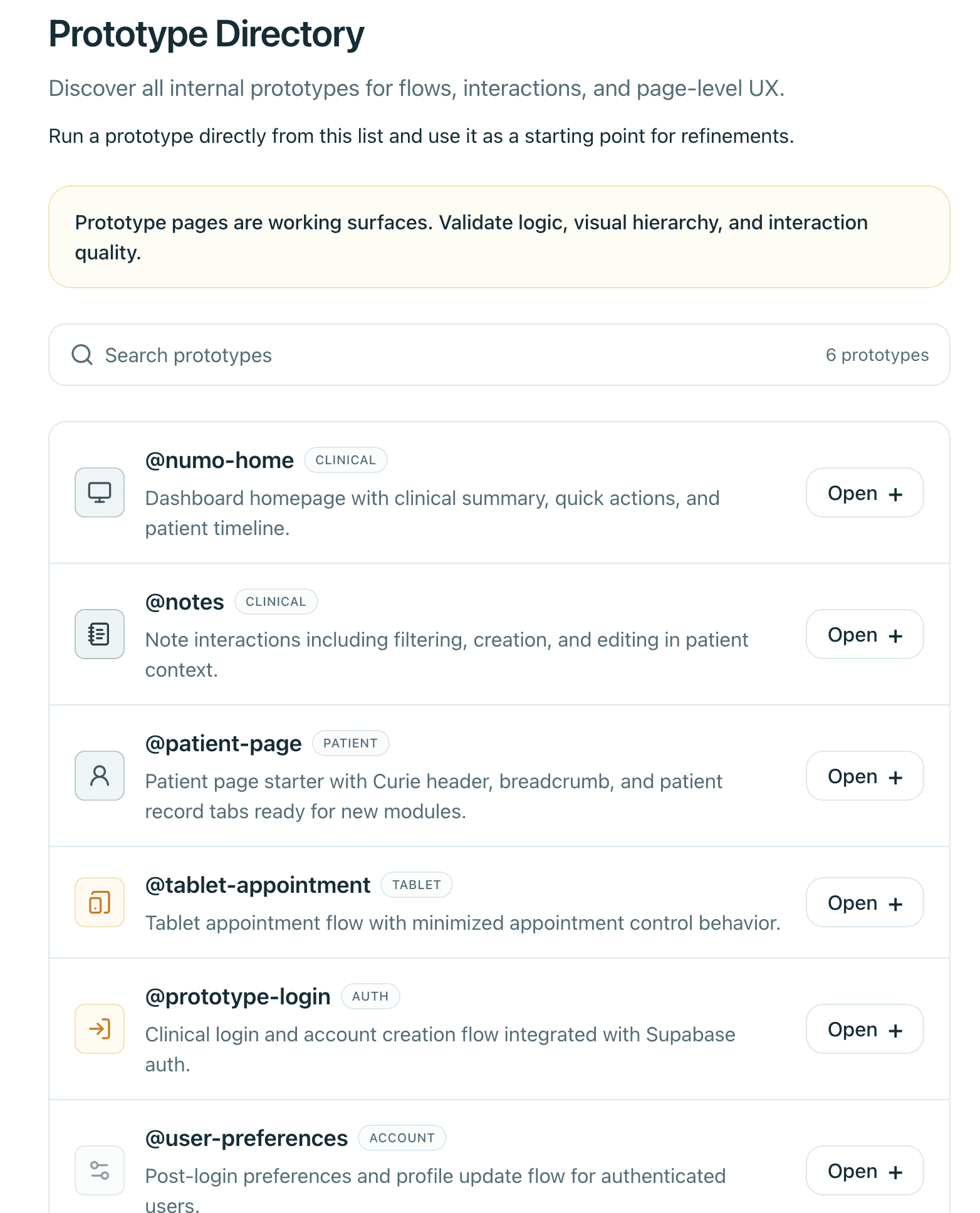
Lung DS became the shared layer for tokens, interaction patterns, status treatments, and reusable modules across patient, clinician, and operational workflows.
I systemized tokens, low-light rules, status patterns, row structures, icon behavior, severity signaling, and reusable modules so the workflow could scale without losing clarity.
Design Decisions
Once actionable care was clearly defined, the work turned into a set of explicit tradeoffs: keep the patient experience invisible at night, make signals legible in the morning, and deliver clinician-ready decision support.
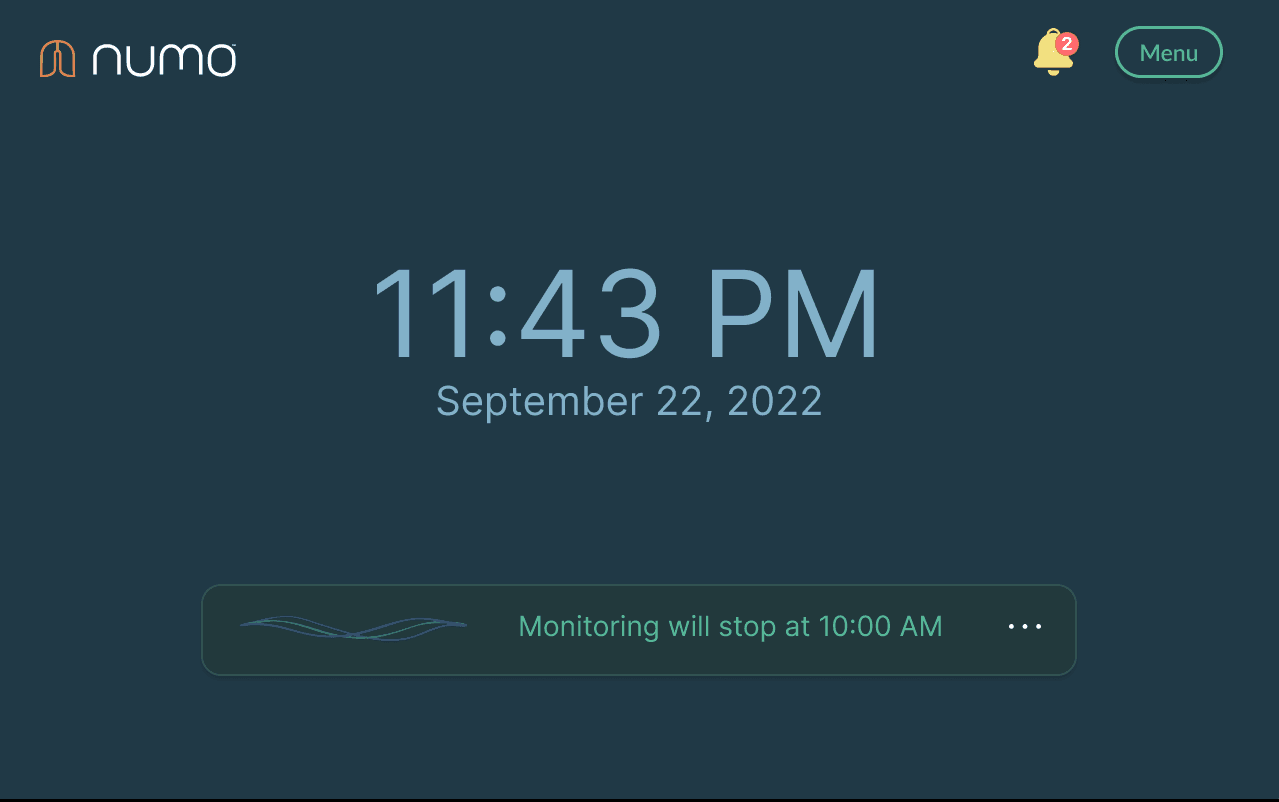
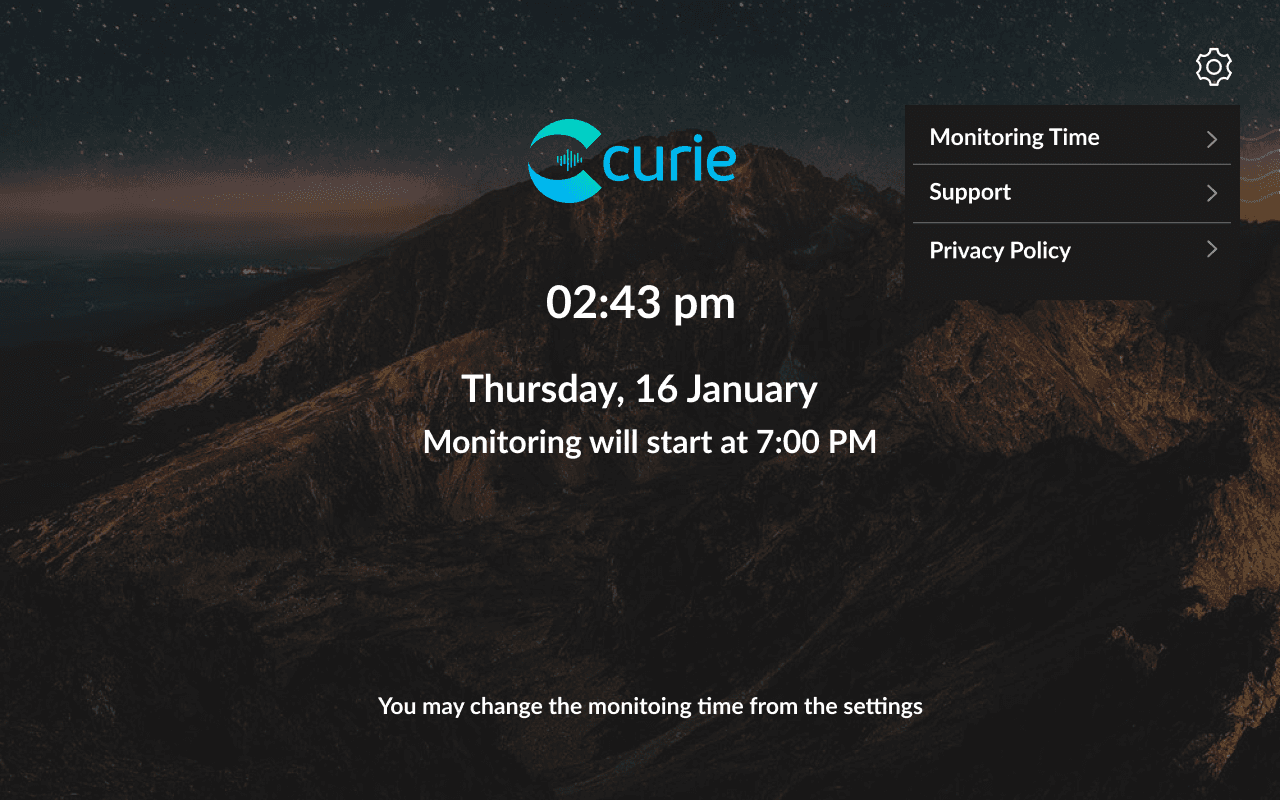
I redesigned the patient side around calmer low-light UI, clearer monitoring states, and a system that moved complexity away from the bedside.

The daily check-in stayed intentionally small. One question anchored interpretation without creating a higher-friction routine.
Patient interviews later confirmed that this restraint mattered. People mostly understood RPM as a human safety net, not as a piece of hardware. They expected the system to notice change, but they judged its value by whether a nurse responded quickly, whether the device felt dependable, and whether the whole experience helped them avoid getting sicker.
Patient Research
Interviews reframed RPM as an always-available care relationship enabled by technology
Patients described RPM as a system that notices change, reaches a nurse, and helps them get treatment earlier.
Interview Themes
The service is the care relationship, not the device
Patients consistently described the nurse or clinical team as the real value, with the tablet and sensors acting as the enabler. Human follow-up, not passive sensing alone, made the service feel worthwhile.
“What’s really helped my health is the nurse… that’s because of the system.”
Key Findings
- Human support is the primary perceived value, not the technology alone.
- The system increases perceived safety and reduces anxiety.
- Overnight monitoring is understood separately from daytime symptom reporting.
- Daily questions are interpreted as a communication channel to clinicians.
- Fast follow-up is the clearest indicator of trust.
- RPM fills access gaps when patients cannot reach their usual doctor.
- Patients value the service as preventative, not just reactive.
- Zero out-of-pocket cost strongly influences adoption.
- Device reliability directly affects trust in the whole service.
- Pulse oximetry is often the first mental model patients use.
- Monitoring is valued because it may help avoid hospitalization or oxygen dependence.
- The ideal experience is machine detection paired with human response.
Design Opportunities
I grouped the qualitative insights into three product directions
Then I turned them into a smaller set of design principles for atient-side experience.
Make RPM feel like active care
Outcome
Increases trust, adherence, and perceived value while reducing anxiety and support calls.
Clarify the monitoring model
Outcome
Reduces confusion and improves response accuracy by making shared responsibility easier to understand.
Signals to reassurance
Outcome
Creates stronger emotional value and better adherence by framing RPM around prevention instead of data collection.
Final Framing
Patient interviews showed that remote monitoring was understood less as a device and more as a care relationship. The best experiences made monitoring feel clear, responsive, and active, which led me to prioritize visibility, feedback loops, and human-centered messaging over raw data display.
Systemizing low-light trust
The bedside experience was shaped through design system guardrails, not only visual polish. In Lung DS, I defined rules for low-light surfaces, contrast, restrained motion, and clear monitoring states so the tablet stayed calm and dependable during sleep hours.
Accessibility was part of the system logic, especially for low-light use: contrast, readable type, visible focus, restrained motion, and clearer state communication.
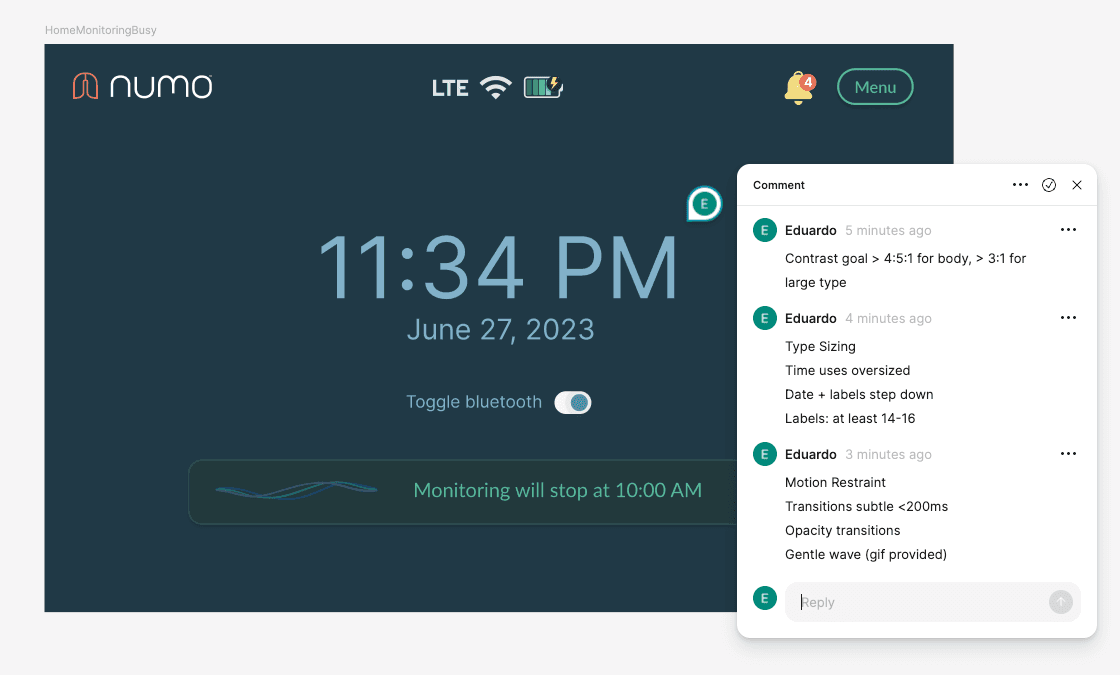
I set UI guardrails for low-light use, including contrast, hierarchy, focus states, and motion restraint, so the bedside experience felt calm and clear at night.

Passive overnight monitoring and clear state communication reduced burden for patients while preserving transparency.
View interactive prototype →
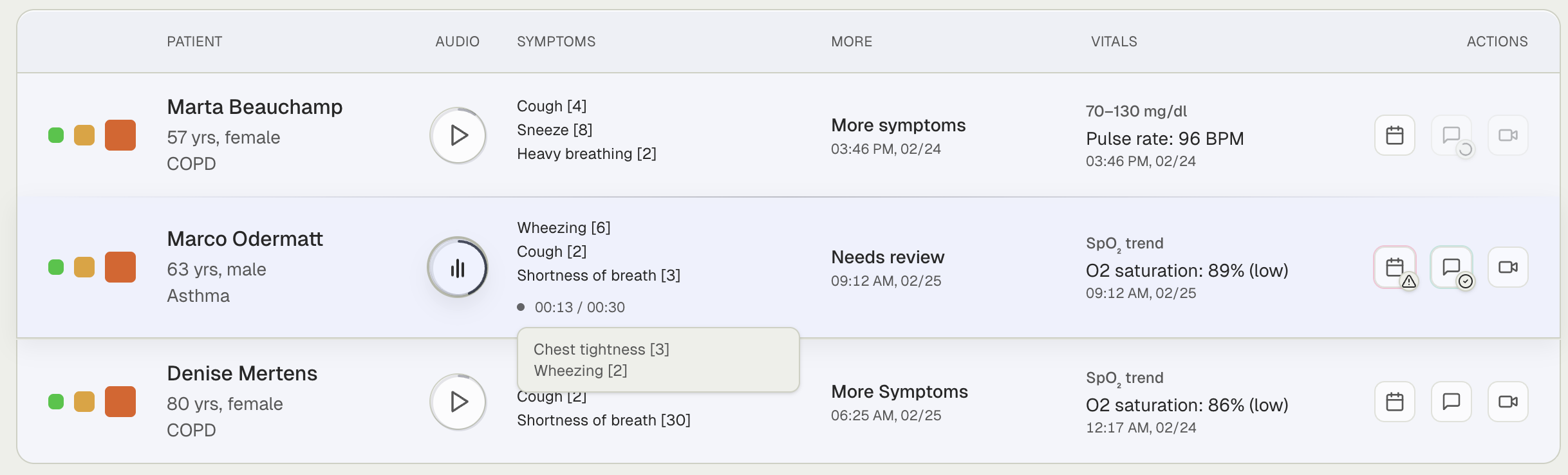
On the clinician side, I redesigned each patient row as a clinical summary. Trend direction, recent changes, and risk indicators surfaced first so teams could monitor, intervene, or escalate in seconds.
Lung DS gave this decision layer structure through systemized row patterns, status chips, trend treatments, icon behavior, and progressive disclosure so urgency and next steps stayed legible without overwhelming the reviewer.
Cross Functional Work
I worked closely with clinical experts, AI researchers, operations, and engineering to define what counted as clinically meaningful, what the model should summarize, and what needed to remain under clinician control.
Prototypes and data reviews were the main alignment tools. They made tradeoffs visible across safety, trust, implementation constraints, and operational scale.
Outcomes
The strongest signal of success was not just adoption. It was that the workflow could scale without eroding trust.
A key lesson was that system quality mattered as much as screen quality; reusable patterns made trust, speed, and consistency easier to scale.
- 90% nightly adherence established the experience as a sustainable part of patients' routines.
- 50% increase in engagement improved continuity between overnight monitoring and follow-up care.
- Faster clinical intervention supported earlier action and more confident triage.
- Scaled from pilot to 300 patients in 9 months showing that the operational model could grow.
One view of the core product outcomes tied to engagement, adherence, and operational efficiency.
Reflection
This project strengthened how I work at the intersection of product, clinical reasoning, and AI-assisted workflows. In regulated systems, good design is often less about adding more interface and more about reducing uncertainty, clarifying responsibility, and making the path from data to action easier to trust.