
About
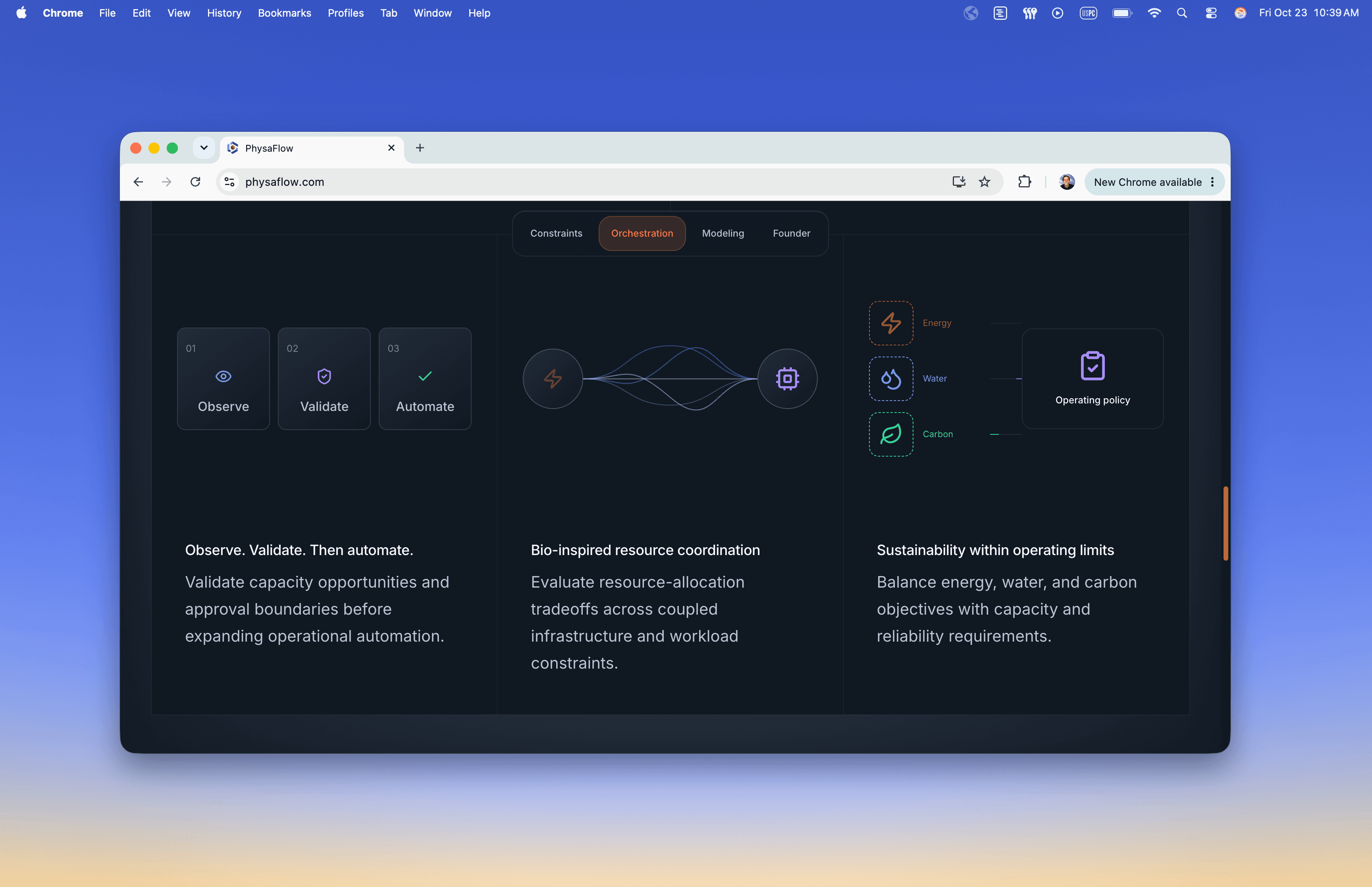
PhysaFlow coordinates power, cooling, compute, and AI workloads to unlock stranded data center capacity. I made that technical value clear: how much more AI could operators run on infrastructure they already have?
Positioning
- Led competitive research and positioning around running more AI on existing infrastructure.
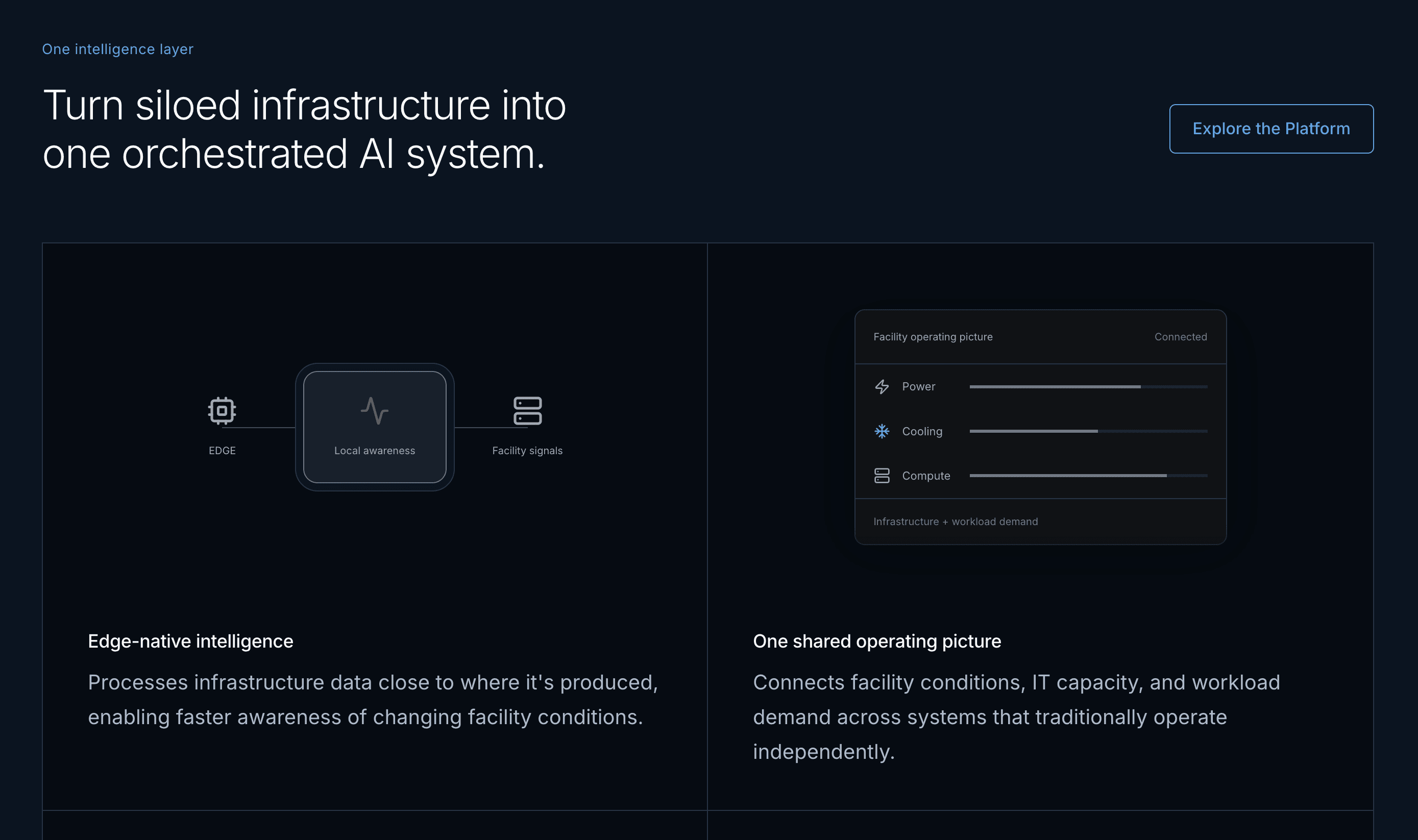
- Aligned the website, deck, and calculator around the capacity opportunity, connected systems, and a facility assessment.
Leading creative direction
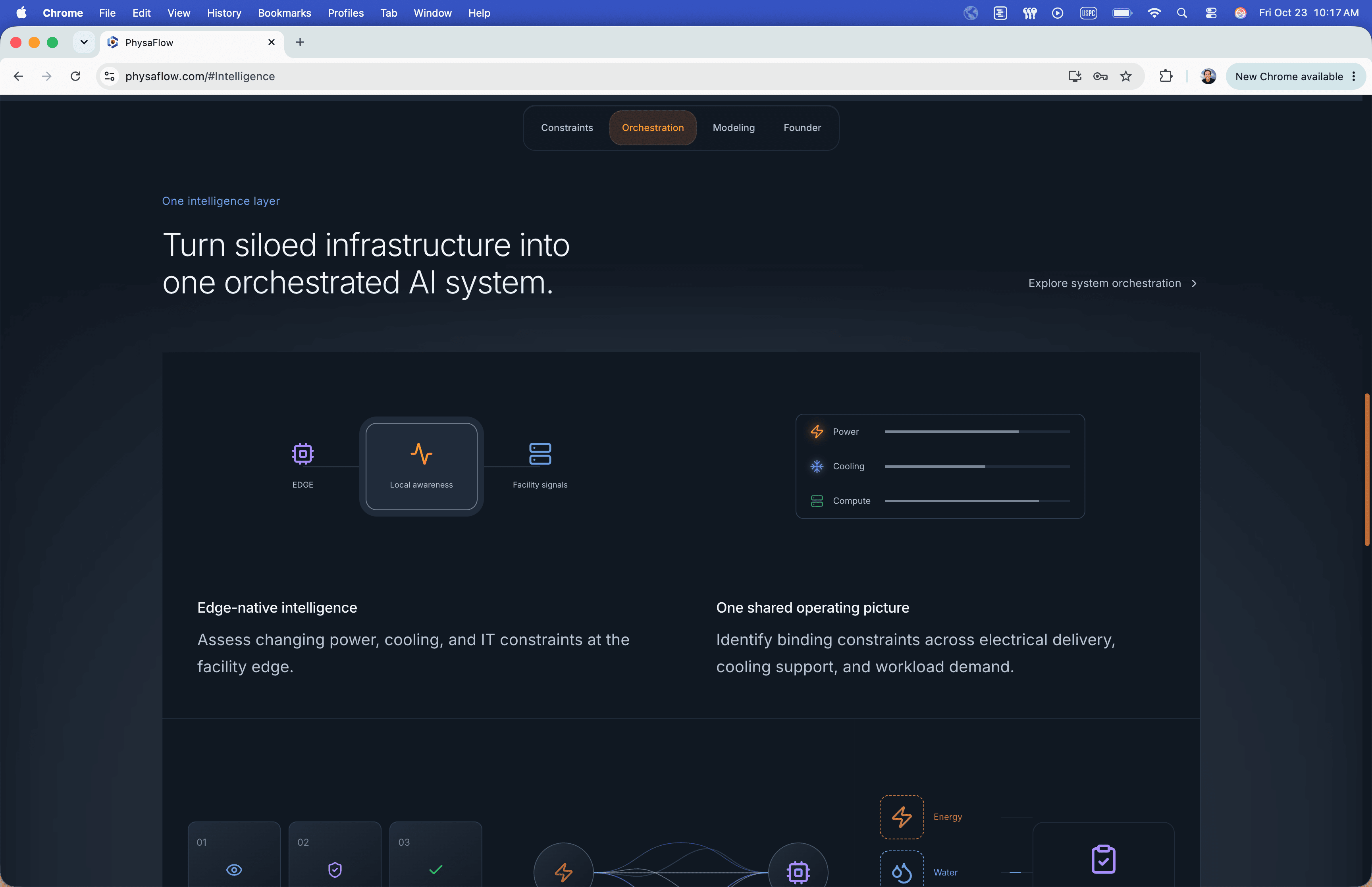
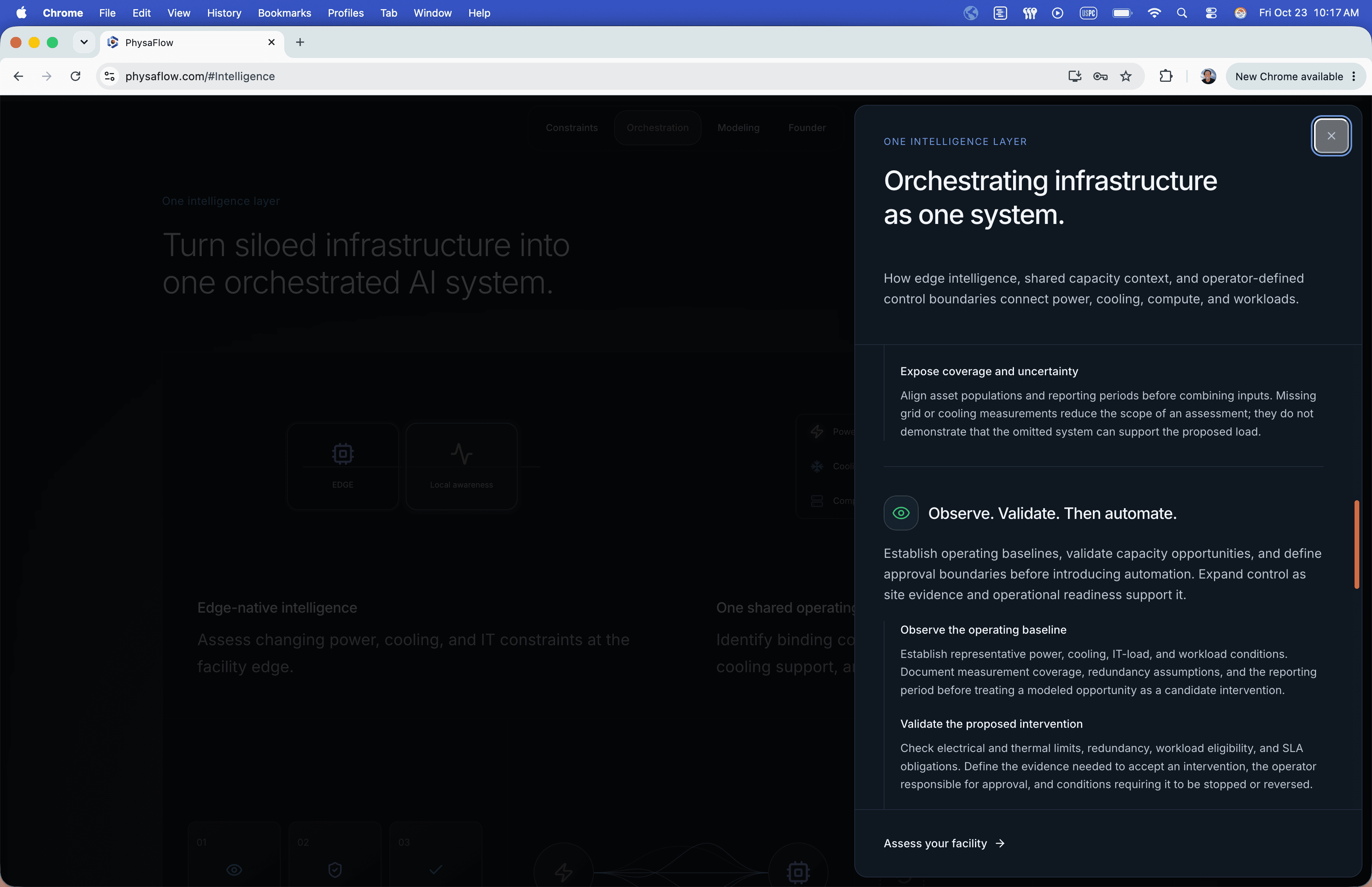
- Led the brand redesign, translating market positioning into a consistent identity across web and company communications.
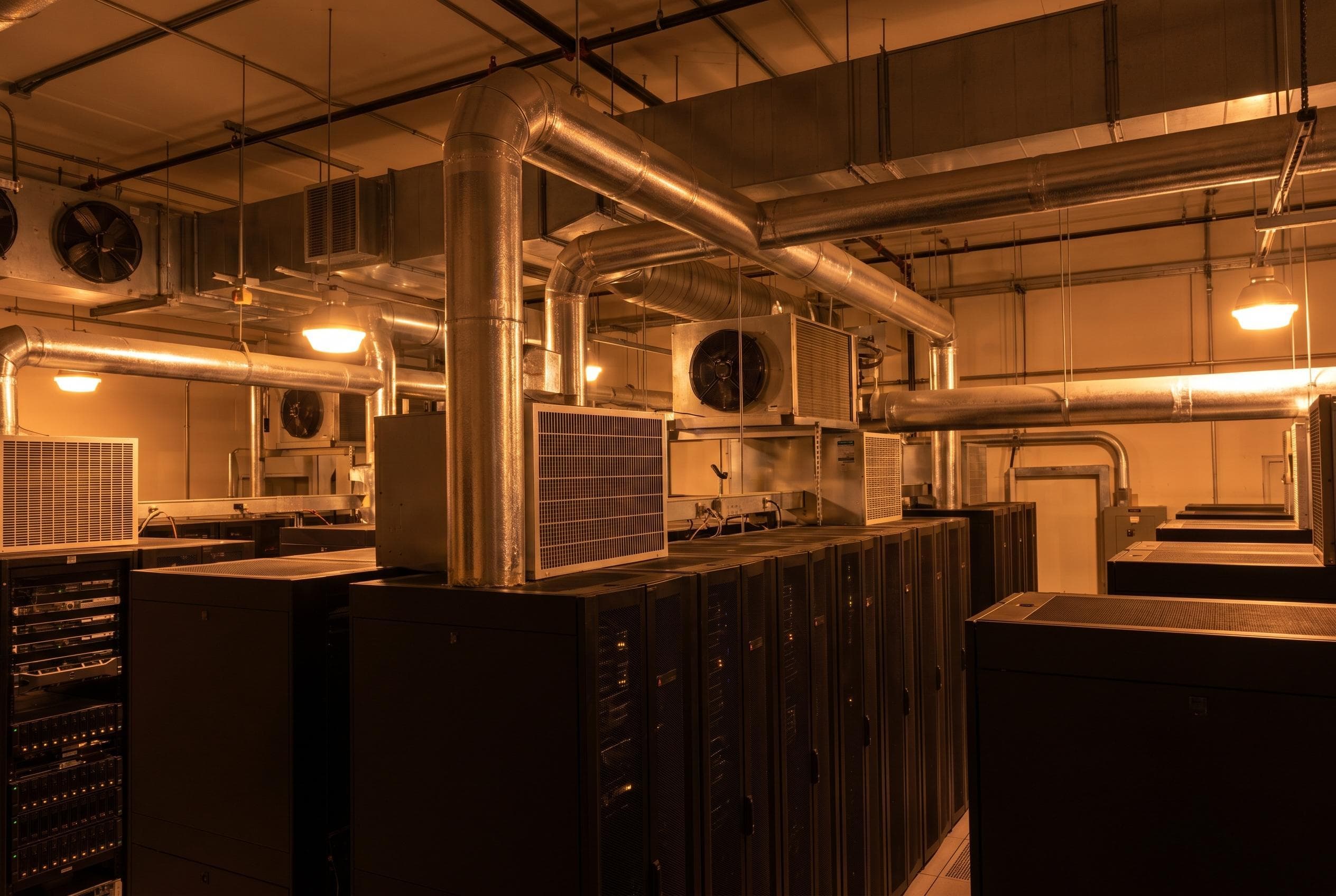
- Directed color, typography, and imagery to connect the technical story to real infrastructure and its operators.
- Enabled consistent execution with a shared brand hub of guidelines, logos, and ready-to-use communication assets.




Website delivery
- Designed, wrote, and built the website in Next.js, React, and TypeScript; deployed through GitHub and Vercel.
- Made the opportunity interactive with a homepage capacity slider and a calculator using visitors’ facility inputs.
Capacity calculator
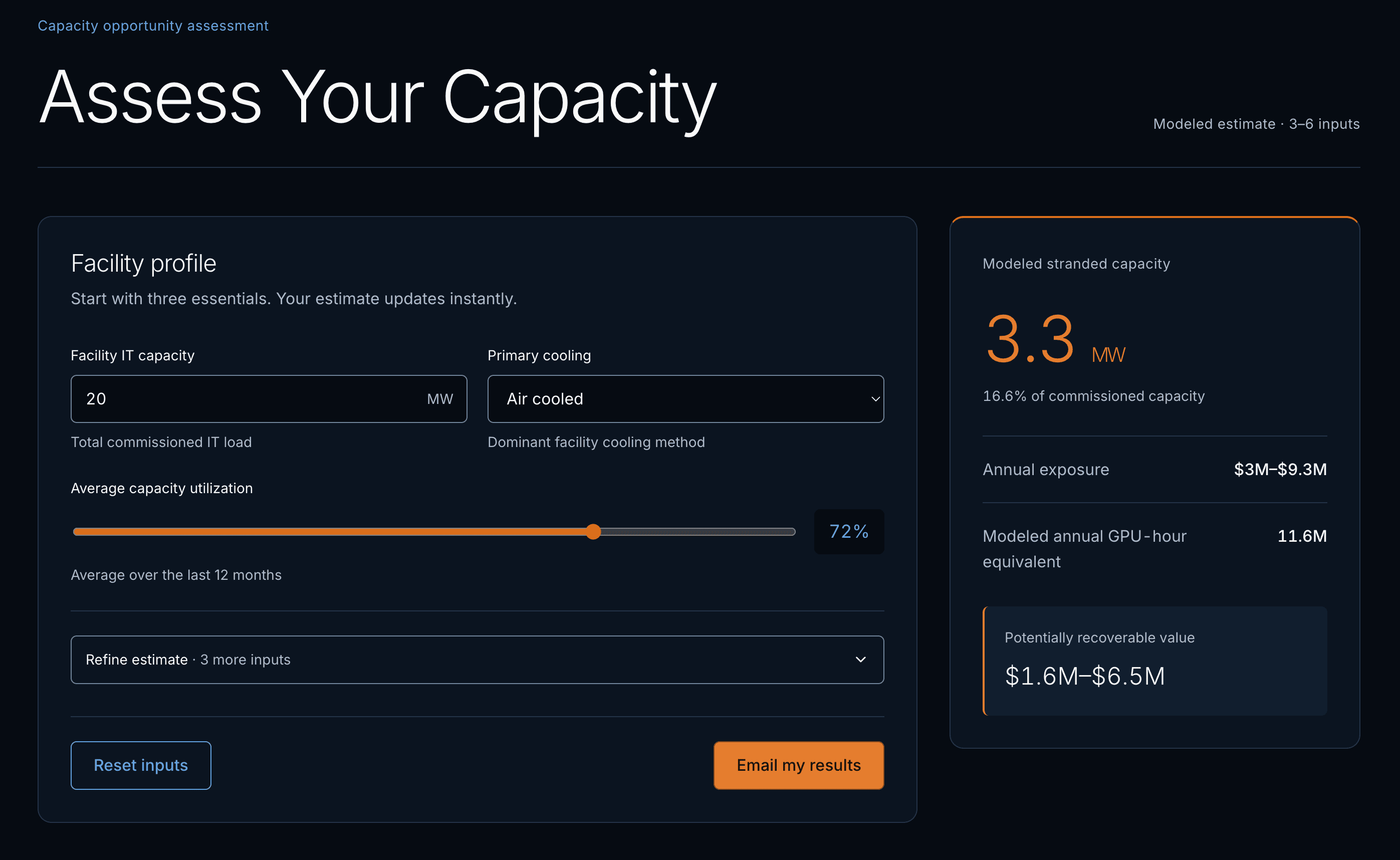
- Built instant estimates from IT capacity, cooling, and utilization.
- Simplified inputs with optional workload, resiliency, and visibility refinements.
- Made results actionable: stranded capacity, annual exposure, GPU-hour equivalents, and recoverable value.
- Enabled saved and shared results through email capture and delivery.
Leadership
- Led two team members with Jira, twice-weekly founder reviews, and monthly company updates.
- Connected strategy to delivery across research, brand, content, design, and development.
- Owned final decisions while directing and reviewing AI-assisted exploration and execution.
Outcomes and accomplishments
- Delivered a new brand, live website, and shared resource hub.
- Shipped a capacity assessment with calculation logic and emailed results.
- Unified the value proposition across the website, deck, and assessment.
Live project
Calculator series and related work
The calculator articles explain how capacity constraints become an estimate, how missing measurements produce partial answers, how capacity receives a financial interpretation, and how assumptions stay attached to results. For another decision-support context, explore the human-in-the-loop monitoring workflow.